


- Home
- >
- Products
- >
- Bucket Elevator
- >
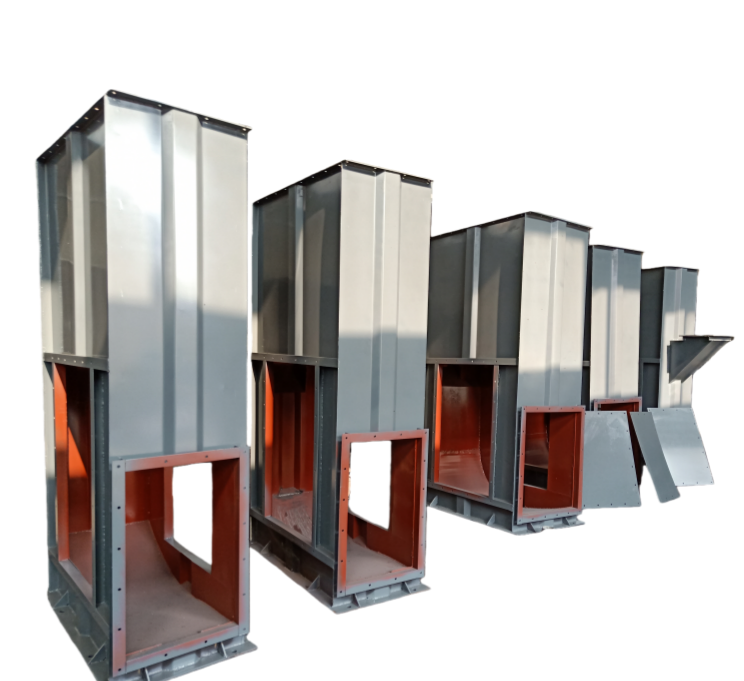
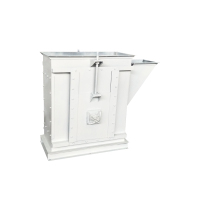
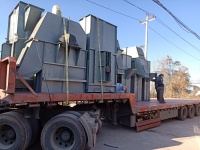
Bucket Elevator
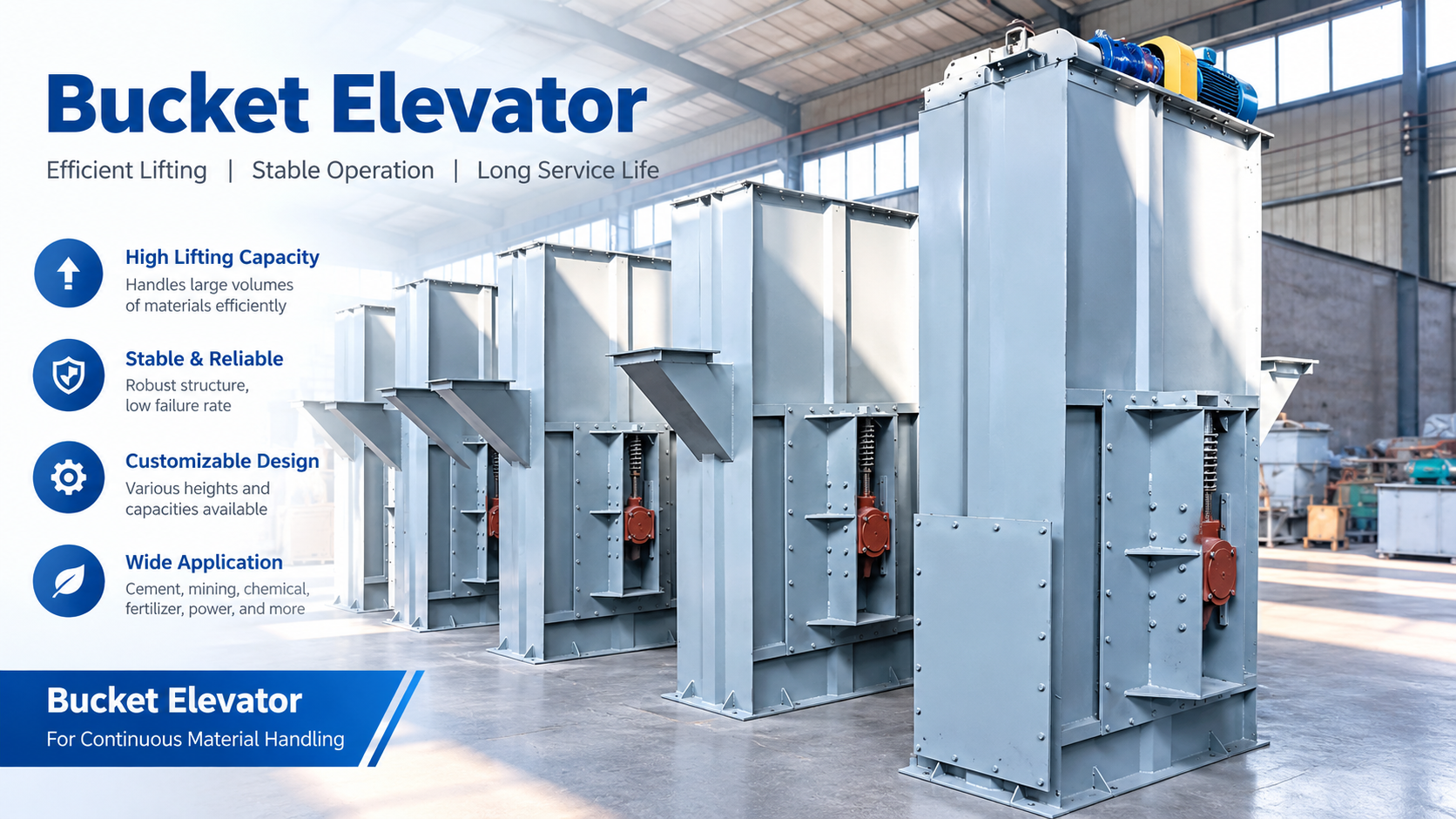
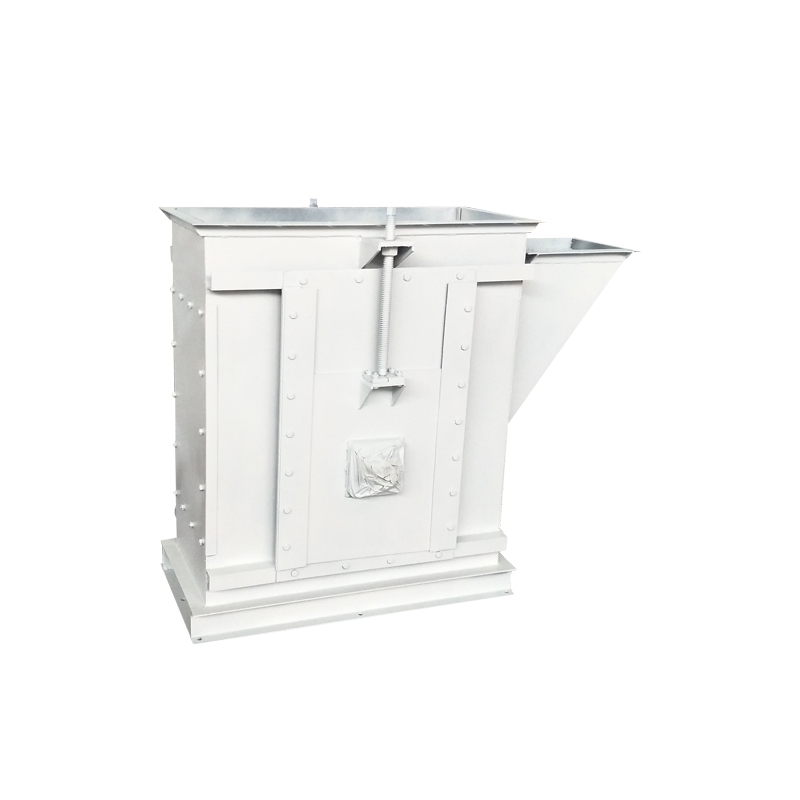
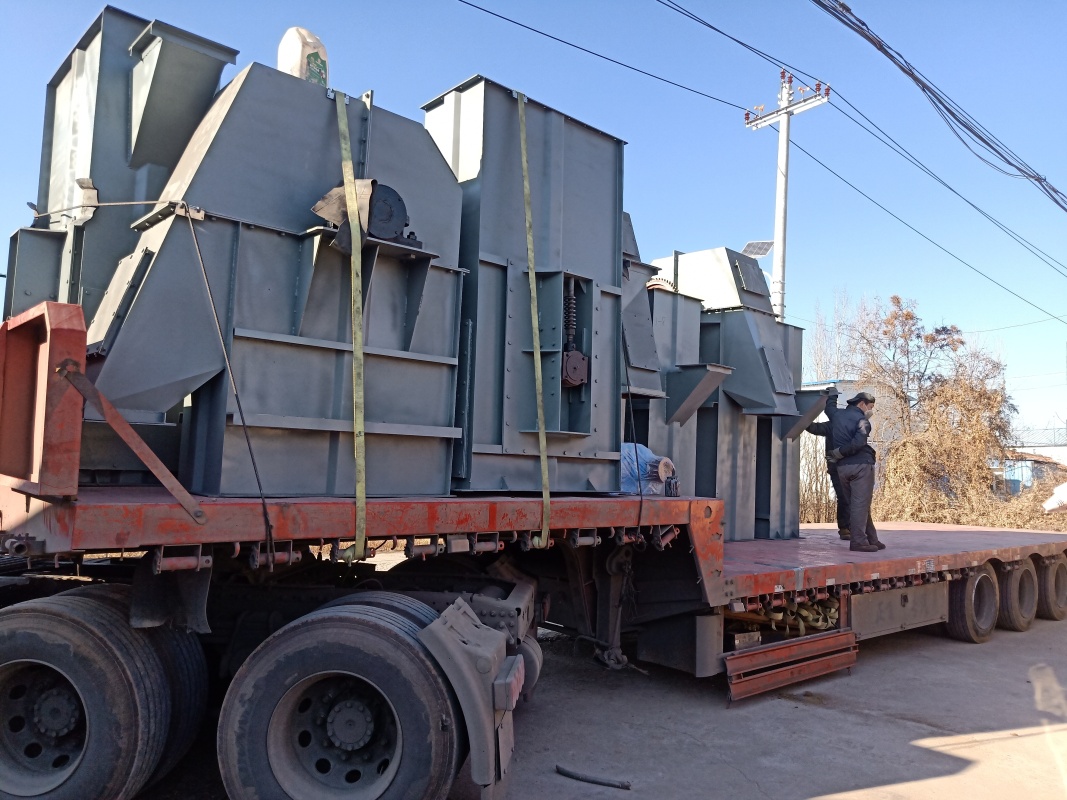
TD bucket elevator is composed of the running part (hopper with traction tape), with the upper section of drive rollers, tension rollers with the lower part of section, intermediate casing, drives, reverse brake rigging, etc.
- Zhitian
- Shandong
- 10-15days
- 100PCS
- Information
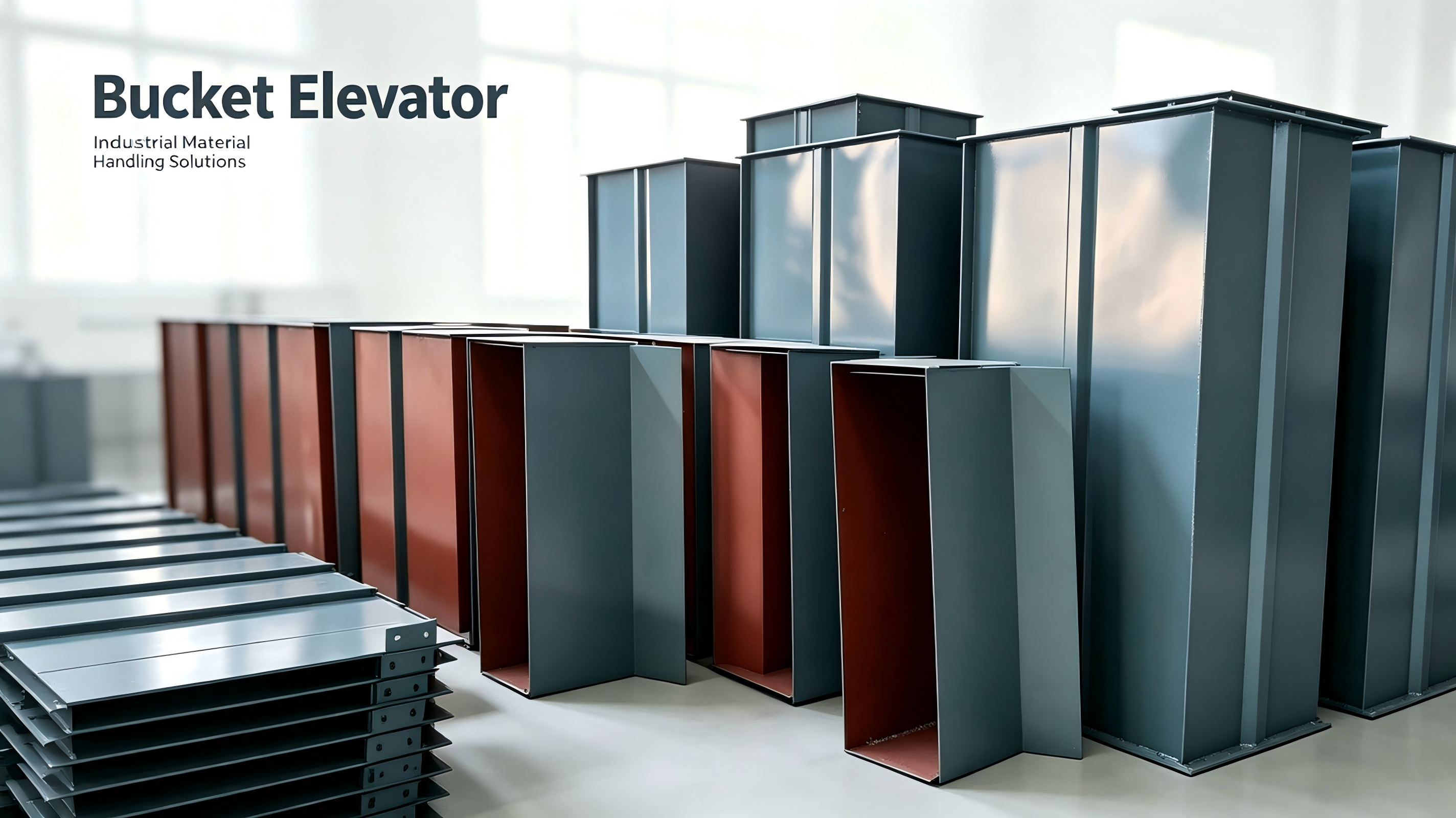
Bucket Elevator
Reliable Bucket Elevator for Vertical Material Handling
A Bucket Elevator is a highly efficient vertical conveying machine designed to lift bulk materials continuously from a lower level to a higher level. Compared with conventional horizontal conveying equipment, a Bucket Elevator requires less floor space while providing stable and reliable vertical material transportation.
Our Bucket Elevator is suitable for handling powders, granules, and small lump materials in various industrial applications. It is widely used in cement, mining, chemical, fertilizer, grain, feed, metallurgy, power generation, and other industries where reliable vertical conveying is required.
The equipment uses a series of buckets mounted on a continuously moving belt or chain. Material is loaded into the buckets at the bottom section and lifted vertically to the discharge point. This design provides efficient conveying with a compact footprint and flexible installation layout.
What Problems Can a Bucket Elevator Solve?
In many production plants, materials need to be transferred between different elevations. Traditional conveying methods may require long horizontal conveyors, large installation areas, and multiple transfer points. These factors can increase equipment investment, maintenance requirements, and material loss.
A Bucket Elevator provides an effective solution for vertical conveying. Its compact vertical structure can significantly reduce the required installation area while maintaining continuous material flow.
For plants with limited space, high lifting requirements, or complex production layouts, a Bucket Elevator can be integrated with conveyors, feeders, crushers, screens, silos, storage bins, and other material handling equipment.
How Does a Bucket Elevator Work?
The working principle of the Bucket Elevator is simple and reliable. The buckets are evenly mounted on a belt or chain and circulate continuously between the head and boot sections.
Material enters the buckets through the inlet at the bottom. As the buckets move upward, the material is carried vertically to the top section. When the buckets pass around the head pulley or sprocket, centrifugal or gravity discharge releases the material into the outlet.
The empty buckets then travel downward and return to the loading area for another conveying cycle.
This continuous operating principle allows the Bucket Elevator to achieve efficient vertical lifting with stable material flow.
Key Features of Our Bucket Elevator
1. Compact Vertical Design
The vertical structure allows the Bucket Elevator to transport materials to considerable heights while occupying relatively little floor space. This makes it particularly suitable for plants where installation space is limited.
2. High Conveying Efficiency
The continuous bucket conveying system provides stable material transportation and can be designed according to the required capacity, lifting height, and material characteristics.
3. Wide Material Compatibility
Our Bucket Elevator can handle a wide range of bulk materials, including cement, clinker, limestone, coal, fertilizer, grain, pellets, mineral powder, sand, and other granular or powdered materials.
4. Durable Construction
The equipment can be manufactured with high-strength steel components and wear-resistant parts according to the application. For abrasive materials, customized wear-resistant configurations can help extend service life.
5. Flexible Configuration
Different bucket types, belt or chain drive systems, inlet and outlet configurations, casing structures, and drive systems can be selected according to project requirements.
6. Easy Maintenance
The Bucket Elevator is designed with accessible inspection and maintenance areas. Key components such as buckets, belts, chains, pulleys, sprockets, bearings, and drive units can be inspected and replaced conveniently.
Technical Parameters
| Parameter | Specification |
|---|---|
| Equipment Type | Bucket Elevator |
| Conveying Direction | Vertical |
| Conveying Capacity | Customized according to project requirements |
| Lifting Height | Customized |
| Material | Powder, granular and small lump materials |
| Bucket Material | Carbon Steel / Stainless Steel / Customized |
| Drive System | Geared Motor / Motor + Reducer |
| Bucket Type | Belt Type / Chain Type |
| Casing Material | Carbon Steel / Customized |
| Installation | Indoor or Outdoor |
| Control System | Local Control / PLC / Customized |
| Application | Cement, Mining, Chemical, Fertilizer, Grain, Feed, Power, etc. |
The actual technical parameters depend on material characteristics, conveying capacity, lifting height, installation conditions, and project requirements.
Bucket Elevator Applications
A Bucket Elevator can be used in many bulk material handling systems.
Cement Industry
Bucket Elevators are widely used for conveying cement raw materials, clinker, limestone, gypsum, cement, and other powder or granular materials between different process levels.
Mining Industry
In mining and mineral processing plants, Bucket Elevators can transport ore, concentrate, mineral powder, sand, and other bulk materials vertically.
Fertilizer Industry
For fertilizer production and processing, the equipment can be used for lifting fertilizer particles, raw materials, compound fertilizer, and other granular products.
Chemical Industry
The Bucket Elevator can provide enclosed vertical conveying for various chemical powders and granules, helping reduce material spillage and improve production efficiency.
Grain and Feed Industry
Bucket Elevators are also commonly used in grain storage, feed mills, grain processing, and agricultural material handling systems.
Why Choose Our Bucket Elevator?
Choosing the right Bucket Elevator is important for achieving stable material handling and reducing long-term operating costs. We provide equipment solutions based on the customer's material characteristics, capacity, lifting height, layout, and operating environment.
Instead of using a standard configuration for every project, we can customize the Bucket Elevator according to actual application requirements.
Our engineering team can assist with equipment selection, capacity calculation, configuration design, installation dimensions, and integration with the customer's existing conveying system.
Customized Bucket Elevator Solutions
Different materials require different bucket elevator configurations. Material bulk density, particle size, moisture content, temperature, abrasiveness, and flowability can all affect equipment selection.
We can provide customized solutions for different working conditions, including:
Different conveying capacities
Different lifting heights
Belt-type or chain-type configurations
Carbon steel or stainless-steel construction
Wear-resistant components
Explosion-proof or special-environment configurations
Customized inlet and outlet positions
Customized control systems
OEM and ODM services
Our goal is to provide a Bucket Elevator that matches the customer's production process rather than simply supplying a standard machine.
Bucket Elevator for Complete Material Handling Systems
A Bucket Elevator is usually part of a complete bulk material handling system. It can work together with belt conveyors, screw conveyors, belt weigh feeders, apron feeders, hoppers, silos, crushers, screens, and other conveying equipment.
By integrating the Bucket Elevator with upstream and downstream equipment, customers can build a continuous and automated material transportation system.
For projects requiring accurate feeding and material measurement, the Bucket Elevator can also be integrated with weighing and feeding equipment to improve the overall production process.
Frequently Asked Questions
What materials can a Bucket Elevator handle?
A Bucket Elevator can handle powders, granules, pellets, and small lump materials. Typical materials include cement, clinker, limestone, coal, fertilizer, grain, feed, mineral powder, and many other bulk materials.
How high can a Bucket Elevator lift materials?
The lifting height is customized according to the customer's process requirements. The final design depends on conveying capacity, material characteristics, equipment configuration, and installation conditions.
Can the Bucket Elevator be customized?
Yes. Capacity, lifting height, bucket type, casing dimensions, drive system, material of construction, inlet and outlet positions, and control system can be customized according to the project.
Can you provide OEM or ODM services?
Yes. OEM and ODM services can be provided for customers with special equipment requirements, branding requirements, or customized engineering projects.
How should I select the right Bucket Elevator?
The most important parameters include material type, bulk density, particle size, moisture, temperature, required capacity, lifting height, and installation conditions. Providing these details allows our engineers to recommend a suitable configuration.
Conclusion
A Bucket Elevator is an efficient, compact, and reliable solution for vertical bulk material conveying. With continuous bucket transportation, flexible configuration, durable construction, and a relatively small installation footprint, it can meet the material handling requirements of cement, mining, fertilizer, chemical, grain, feed, power, and many other industries.
For projects requiring stable vertical conveying, customized capacity, high lifting height, or integration with an existing material handling system, our Bucket Elevator can provide a practical and cost-effective solution.