


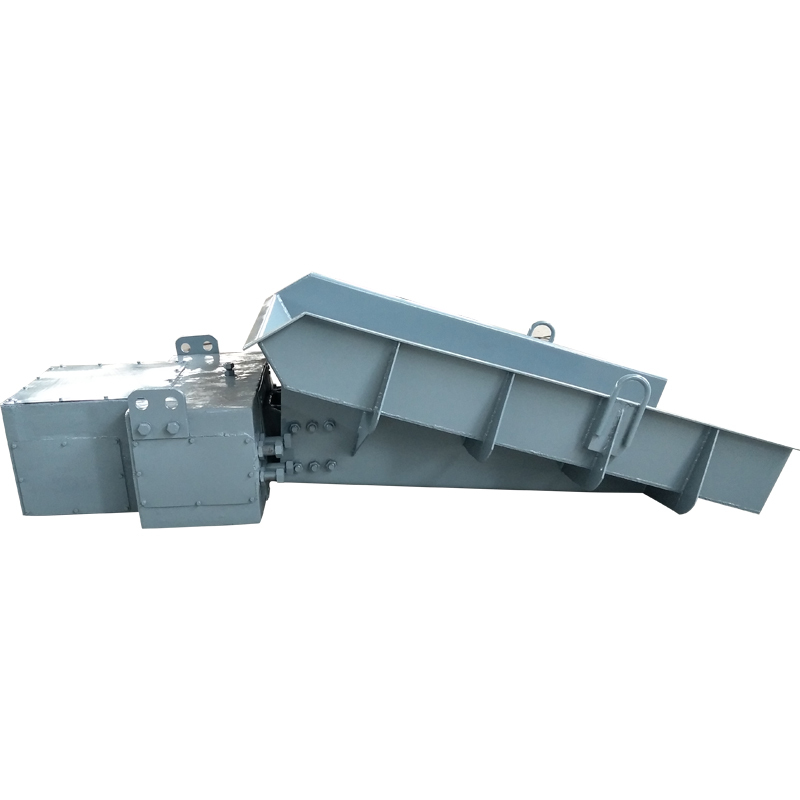
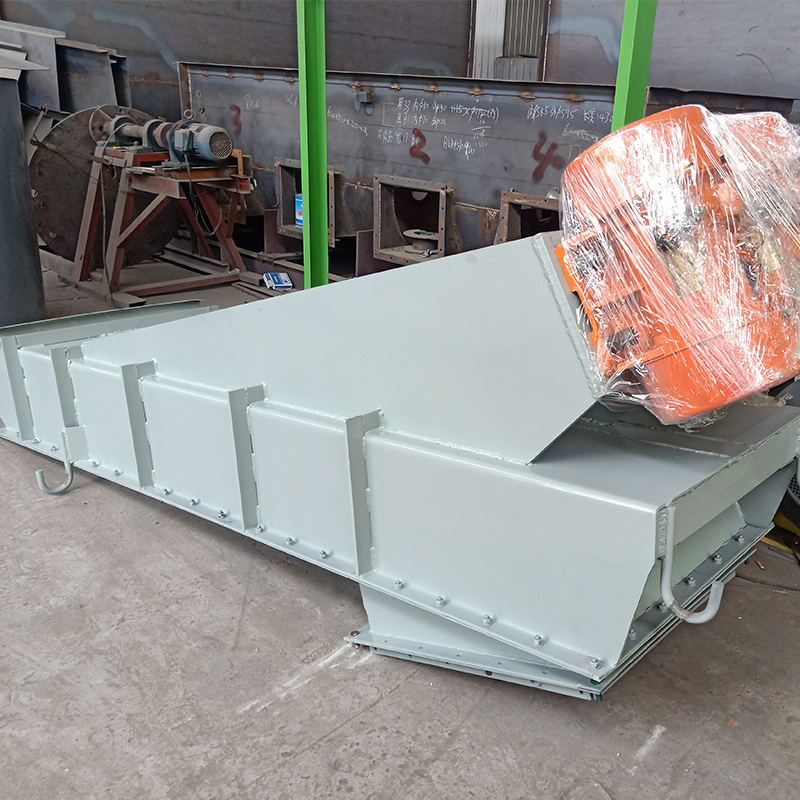
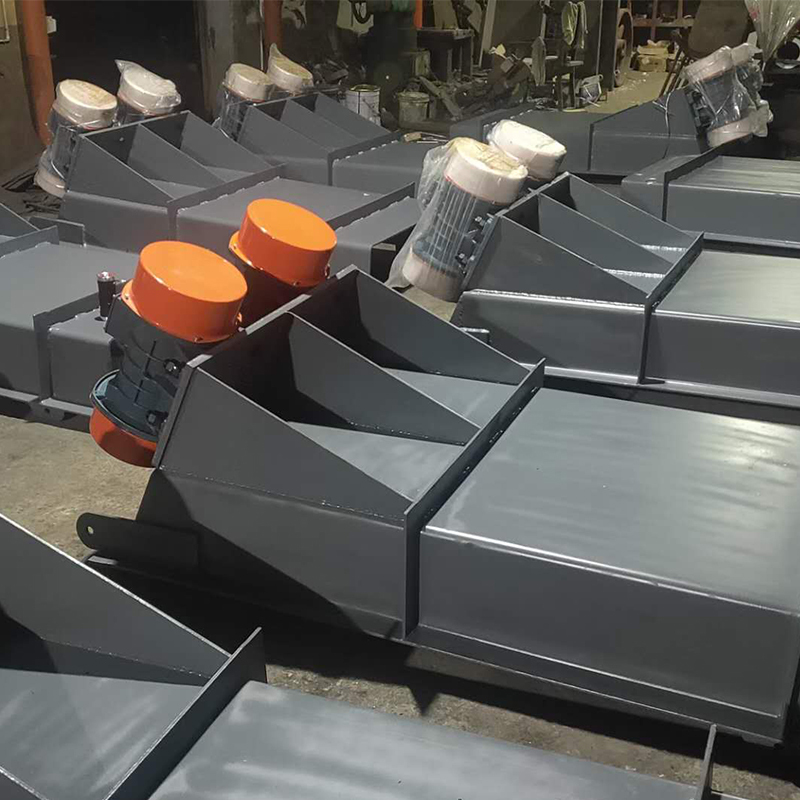
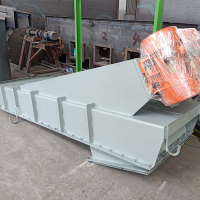
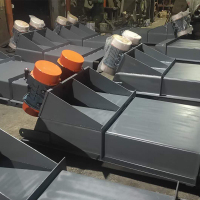
Electromagnetic Vibration Feeder
Application GZ series electromagnetic vibrating feeder are widely used in mining, metallurgy, coal, building materials, light industry, chemical industry, machinery industry and agriculture. It is also suitable for automated batching and quantitative packaging and production process automation systems.
- Zhitian
- Shandong
- 3-5days
- 1000PCS
- Information
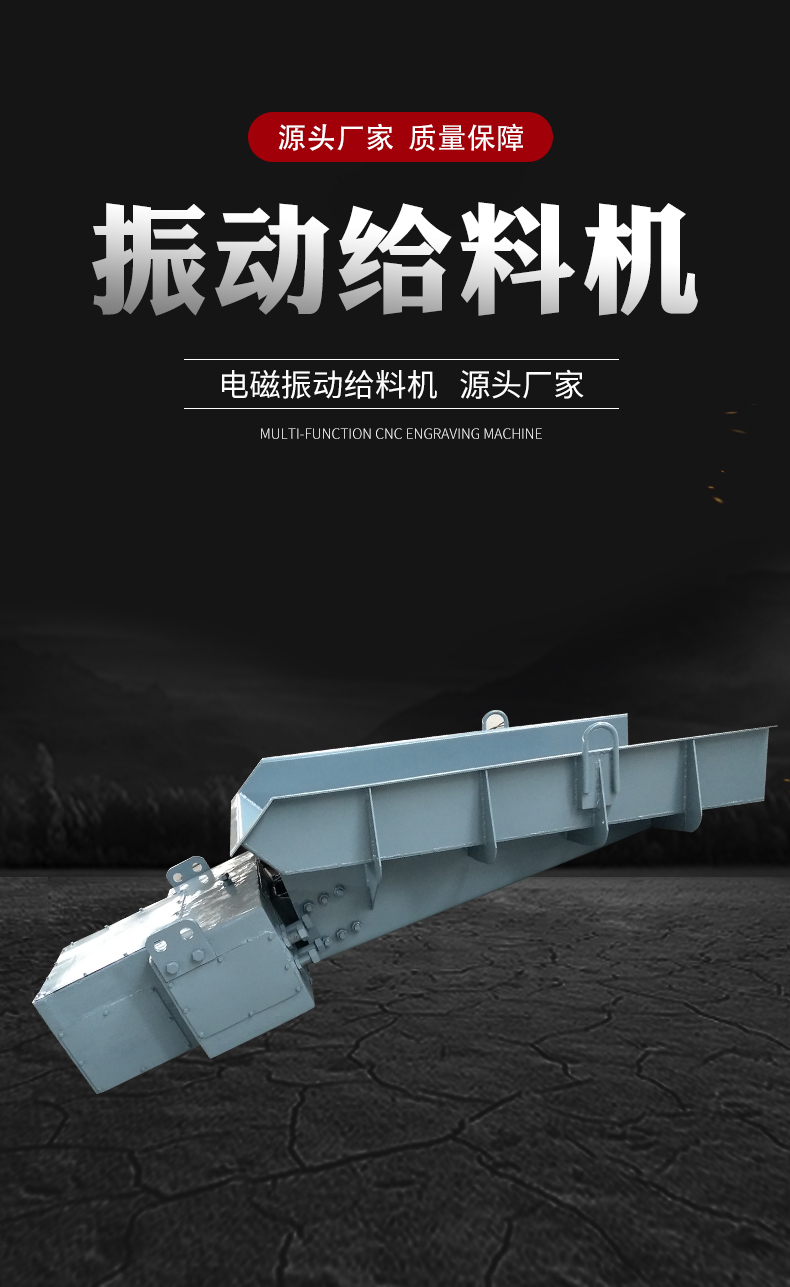
I. Product Overview The electromagnetic vibrating feeder is an automated continuous feeding device that operates based on the principle of electromagnetic vibration. It is also a core supporting device in industrial production lines, connecting silos, crushing equipment, screening equipment, and packaging equipment. The equipment is mainly designed for loose, non-sticky materials such as lumps, granules, and powders, achieving uniform, quantitative, and continuous material conveying. It allows for precise control of the feeding flow rate, is compatible with automated production line operations, and is widely used in mining, metallurgy, building materials, chemicals, power, and grain processing industries. It is the preferred equipment for industrial bulk material conveying, quantitative batching, and automated feeding.
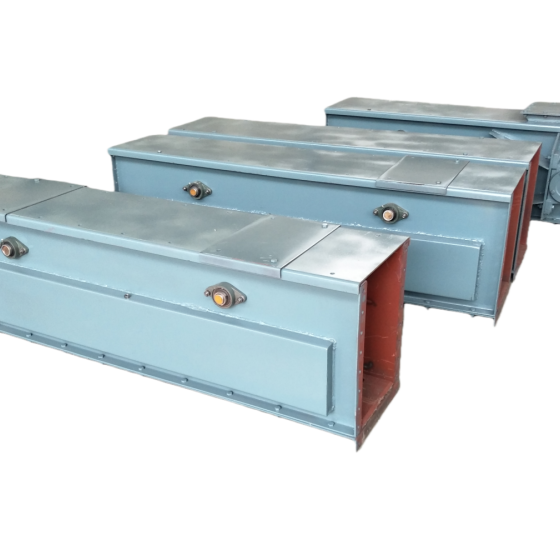
Our factory mainly produces GZ series electromagnetic vibrating feeders, micro electromagnetic feeders, and enclosed electromagnetic vibrating feeders. All models support stepless speed regulation, frequent start-stop, stable operation without material spurring, and offer advantages such as energy saving, low noise, maintenance-free operation, and dustproof environmental protection. We can customize open, enclosed, floor-mounted, and suspended installation methods according to production line conditions, adapting to various production scales of all sizes.
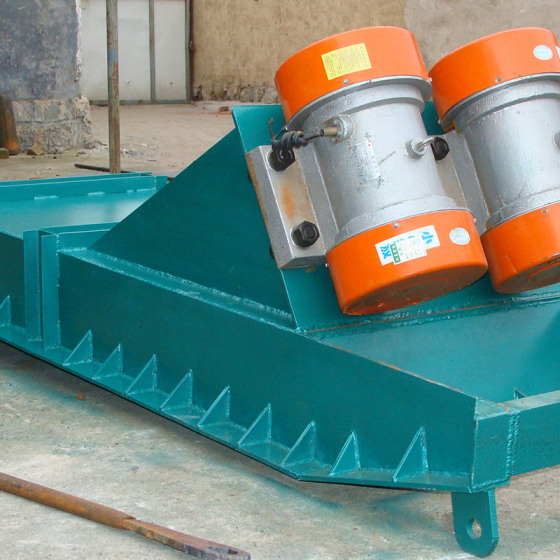
II. Working Principle The electromagnetic vibrating feeder requires no motor or reducer drive. Its core relies on an electromagnetic vibrator to generate high-frequency, micro-amplitude vibrations. The equipment's vibration frequency can reach 3000 times/minute, with a stable amplitude of 1.5-3mm. After being powered on, the electromagnetic coil generates pulsed electromagnetic force, driving the feed trough to vibrate at high frequency. Under the combined effects of inertia and gravity, the material moves forward at a constant speed and in a jumping motion along the surface of the trough, ultimately achieving continuous, uniform, and quantitative material feeding.
The equipment is equipped with a dedicated thyristor controller, which allows for precise adjustment of the vibration amplitude by adjusting the current, achieving stepless adjustment of the feed rate. It features fast response speed and high adjustment accuracy, and can be integrated with automated control systems to precisely match the feeding needs of crushers, ball mills, and batching production lines, completely solving the problems of uneven material distribution, unstable flow, and start-up/stagnation issues associated with traditional feeding equipment.
III. Core Product Advantages
• Precise Quantification, Stepless Speed Regulation: Full-process electromagnetic frequency conversion control eliminates mechanical transmission bottlenecks, allowing for flexible adjustment of the feeding rate and precise flow control. It eliminates issues like sudden increases or decreases in flow, material overflow, and clogging, making it suitable for high-precision batching and quantitative feeding scenarios. It can also be integrated with fully automated production line control systems.
• Simple Structure, Maintenance-Free Operation: The machine eliminates easily damaged transmission components such as gears, bearings, and belts, requiring no lubrication. This results in an extremely low failure rate, significantly reducing subsequent maintenance costs and downtime losses, and ensuring strong long-term operational stability.
• High Efficiency, Energy Saving, Low Noise, and Environmentally Friendly: Electromagnetic drive consumes extremely low power, saving over 30% energy compared to traditional mechanical feeders. High-frequency, low-amplitude vibration operation minimizes noise, and the enclosed design effectively prevents dust leakage, meeting industrial environmental protection standards.
• Wide adaptability and universal operating conditions: Capable of conveying various loose materials such as ore, sand, coal powder, cement, grain, and chemical powders. Feed particle size adaptability is 5-80mm, and processing capacity covers 7-1700t/h. Suitable for production lines of all sizes.
• Flexible start/stop and automation compatibility: Supports instantaneous start/stop and frequent start/stop without inertial lag. Perfectly matches the start/stop rhythm of production lines and is compatible with remote electrical control and centralized control, facilitating intelligent upgrades of production lines.
• Robust and durable with a long service life: The trough is made of wear-resistant steel plate, resistant to wear and impact. The machine body is integrally welded, with a stable structure, resistant to harsh working conditions, and can operate stably for a long time in complex scenarios such as mines and construction sites.
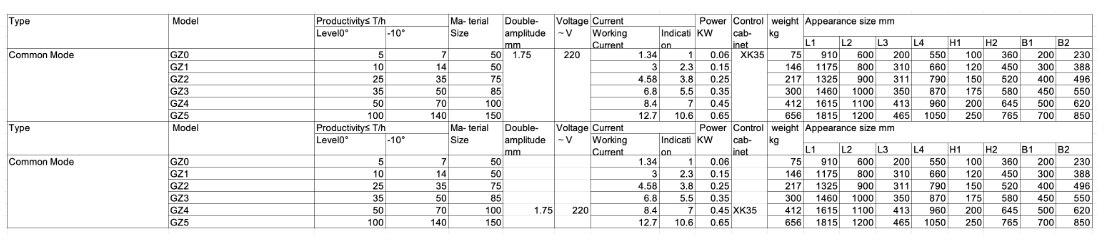
IV. Mainstream Models and Technical Parameters
V. Main Classification Methods
1. Classification by Structural Form: Open-type electromagnetic vibrating feeder: Simple structure, low cost, and easy maintenance. Suitable for conveying materials such as sand, ore, and grain where dust-free environmental protection requirements exist. It is a commonly used conventional model on the market.
1. Enclosed Electromagnetic Vibrating Feeder: The entire machine is sealed, eliminating dust and pollution. It is suitable for easily dust-generating materials such as cement, coal powder, and chemical powders, meeting environmental protection construction requirements.
2. Classification by Installation Method:
* **Suspended Electromagnetic Vibrating Feeder:** Installed via suspension rings, suitable for high-level hopper unloading. Installation is flexible and does not occupy ground space.
* **Floored Electromagnetic Vibrating Feeder:** Fixed installation on the ground, offering greater stability and higher load-bearing capacity. Suitable for high-volume, large-particle material conveying applications.
VI. Wide Range of Applications
The electromagnetic vibrating feeder is suitable for various industrial bulk material conveying scenarios, offering exceptional versatility. Core application industries include:
• Mining Industry: Uniform feeding of jaw crushers, cone crushers, and screening equipment, stabilizing the production line's feeding rhythm and improving crushing and screening efficiency;
• Building Materials Industry: Quantitative conveying and batching of materials such as sand, gravel, cement, lime, and gypsum;
• Chemical/Metallurgical Industry: Precise quantitative feeding of various chemical powders, metal ores, and metallurgical auxiliary materials, ensuring batching accuracy;
• Grain and Light Industry: Automated feeding, packaging, and sorting of materials such as grains, feed, and plastic granules;
• Power Industry: Continuous conveying of pulverized coal and coal lumps in thermal power plants, stabilizing boiler feed and ensuring stable equipment operation.
VII. Equipment Installation and Usage Advantages
1. Convenient Installation: Modular design, lightweight structure, and quick installation (both hanging and floor-mounted) require no complex civil engineering work. Simple commissioning and immediate operation upon startup are all possible.
2. Simple Operation: Equipped with an intelligent SCR controller, it features one-button start/stop and stepless speed regulation, allowing beginners to quickly get started. It supports remote automated control and is compatible with smart factory production lines.
3. Less Prone to Blockage: High-frequency micro-vibration mode ensures continuous, non-sticky, and non-accumulating material transport, completely solving the problem of blockage with damp powders and fine particles.
4. Adaptable to Harsh Working Conditions: It can operate continuously in complex industrial environments such as high temperature, dust, and humidity, with stable operation and long trouble-free operating cycles.
VIII. Frequently Asked Questions
Q1: Can the feeding speed of the electromagnetic vibrating feeder be adjusted?
A: Yes. The equipment is equipped with a dedicated electronic control regulator, enabling stepless speed regulation throughout the entire process. Users can freely control the feeding speed and amount, with precise adjustment and rapid response, allowing for adjustments based on production line needs.
Q2: What materials is the electromagnetic vibrating feeder suitable for conveying? A: Primarily suitable for non-sticky lumpy, granular, and powdery materials, including ores, sand, coal powder, cement, grains, feed, and chemical powders. Not suitable for clay or high-moisture, sticky materials.
Q3: What is the difference between an electromagnetic vibrating feeder and a regular motor feeder?
A: Electromagnetic feeders have no mechanical transmission parts, requiring no lubrication, resulting in low energy consumption, low noise, sensitive start/stop, and precise speed control. Regular motor feeders are prone to wear, require regular maintenance, have poor speed control accuracy, are prone to material slugging and blockage, and have lower automation adaptability.
Q4: Do you have a dust-free, environmentally friendly electromagnetic vibrating feeder?
A: Our factory can provide fully enclosed electromagnetic vibrating feeders with a sealed structure that effectively suppresses dust diffusion, meeting environmental protection standards and suitable for production scenarios involving powdery and easily dusty materials.