


- Home
- >
- Products
- >
- Belt Conveyor
- >
Belt Conveyor
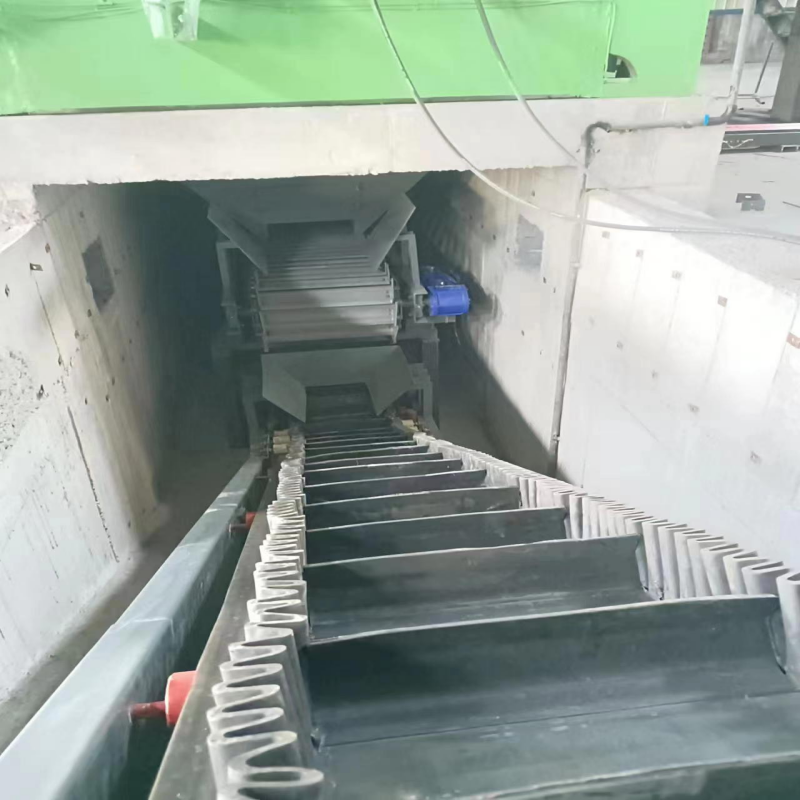
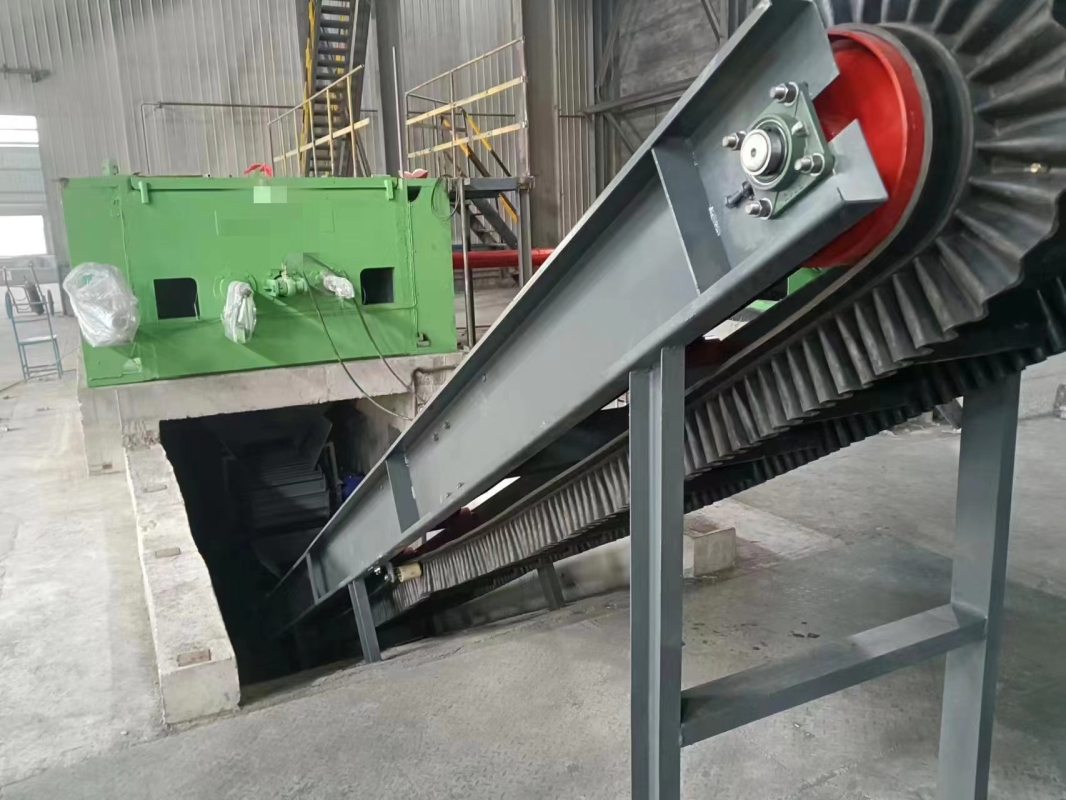
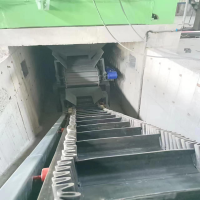
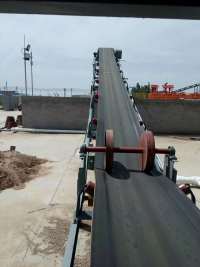
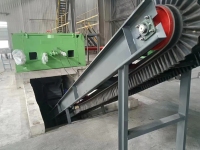
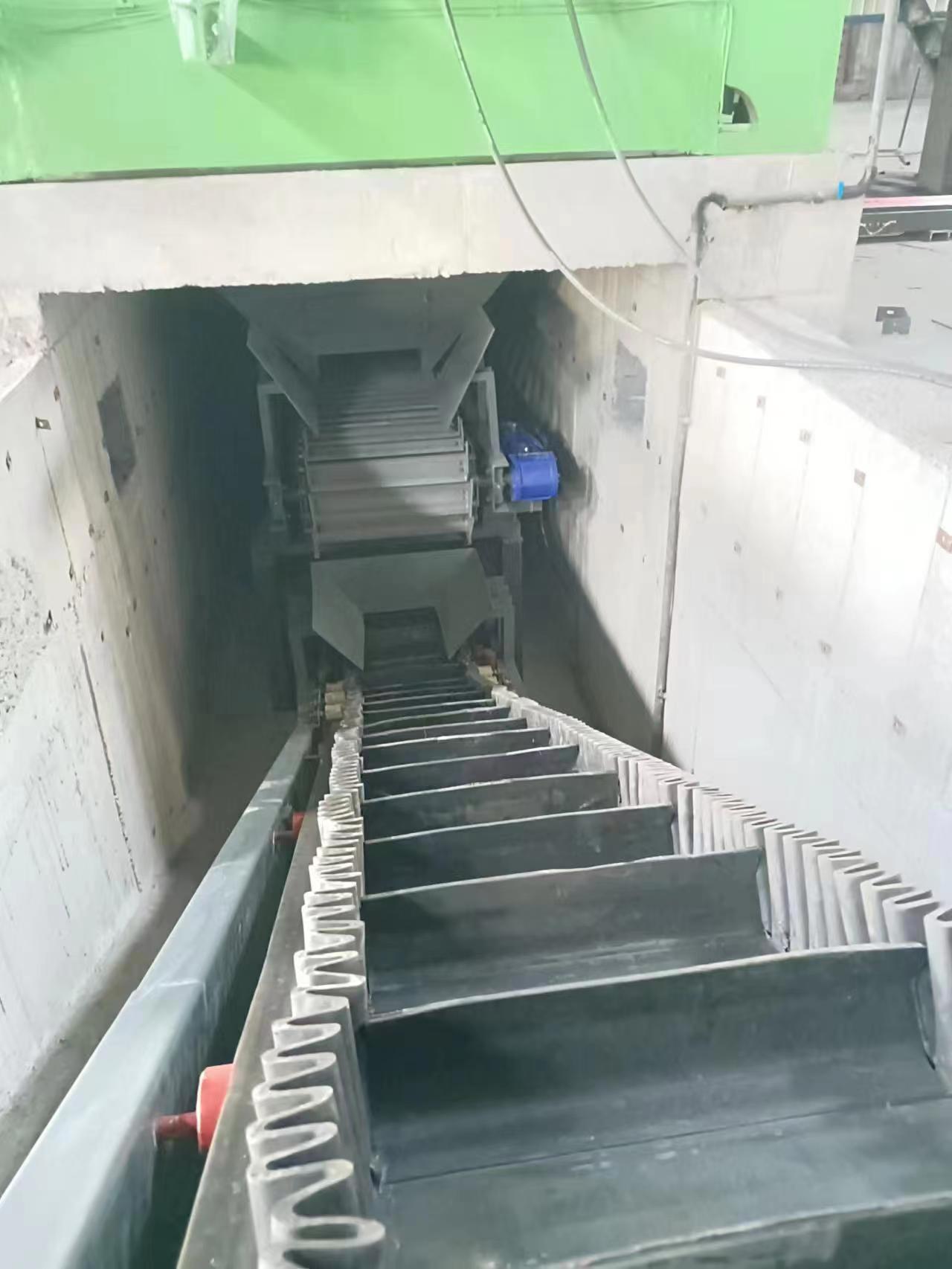
A Large Inclination Belt Conveyor is a specialized type of conveyor system designed to transport bulk materials over steep inclines, typically up to 90 degrees. Unlike traditional belt conveyors, which are limited to shallow inclines, the large inclination model features a belt with a corrugated sidewall and cross cleats, ensuring that materials remain securely on the belt as they are moved upwards.
- Zhitian
- Shandong
- 3-5days
- 1000PCS
- Information
Belt Conveyor
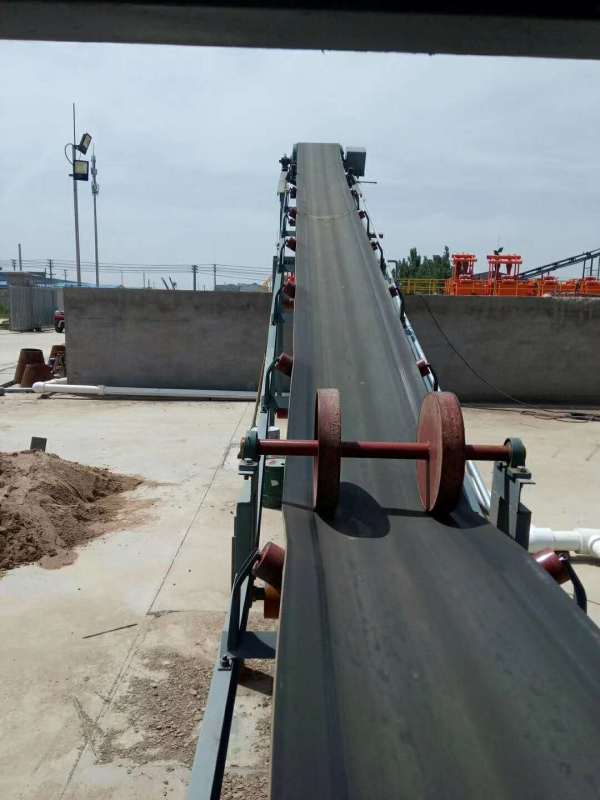
A Belt Conveyor is one of the most practical bulk material handling systems used in modern industry. It provides a continuous way to move materials from one point to another, making it suitable for production lines, stockyards, processing plants, warehouses, ports, and loading systems.
Unlike intermittent conveying equipment, a belt conveyor can operate continuously over long distances. With the right belt width, speed, drive arrangement, and supporting structure, it can handle everything from fine powders and granules to large pieces of coal, limestone, ore, clinker, and other bulk materials.
What Is a Belt Conveyor?
A Belt Conveyor consists mainly of a conveyor belt, drive pulley, tail pulley, carrying idlers, return idlers, tensioning device, frame, drive unit, and feeding and discharge sections.
During operation, the drive pulley provides the power needed to move the belt. Material loaded onto the belt is carried along the conveying route and discharged at the required location. The return section then brings the empty belt back to the feeding point, forming a continuous conveying cycle.
The actual design of a belt conveyor depends heavily on the material and site conditions. Conveyor length, inclination, belt speed, capacity, material density, particle size, moisture, abrasiveness, and installation environment all need to be considered before equipment selection.
How Does a Belt Conveyor Work?
Material is normally loaded onto the conveyor belt through a hopper, chute, feeder, or another upstream machine. The drive system rotates the drive pulley, causing the belt to move continuously along the conveyor frame.
Carrying idlers support the loaded belt and help maintain the required belt shape. At the discharge end, the material leaves the belt by gravity and is transferred to the next stage of the process.
For longer conveying distances, a suitable tensioning system is important. It keeps the belt under the correct tension and helps compensate for belt elongation during operation.
This relatively straightforward working principle is one reason the Belt Conveyor remains widely used in heavy-duty material handling applications.
Main Features of Our Belt Conveyor
Continuous Material Handling
The conveyor provides a steady flow of material between different processing stages. It can be used as an individual conveyor or connected with crushers, screens, feeders, magnetic separators, bucket elevators, and other equipment to form a complete conveying system.
Adaptable Conveyor Layout
A belt conveyor system can be designed for horizontal, inclined, or combined conveying routes. Conveyor length, belt width, support structure, discharge position, and other components can be adjusted according to the plant layout.
Wide Material Compatibility
Belt conveyors can handle many types of bulk materials, including coal, limestone, clinker, gypsum, fertilizer, grain, sand, aggregate, ore, slag, and various industrial raw materials.
For abrasive or heavy-duty materials, the belt, idlers, pulleys, frame, and other components can be selected according to the actual operating conditions.
Stable and Reliable Operation
A properly designed conveyor reduces unnecessary belt movement, material spillage, and mechanical stress. The drive unit and supporting components are selected according to the conveying capacity and operating conditions to provide reliable long-term service.
Convenient Integration
The Belt Conveyor can be incorporated into existing production lines or supplied as part of a complete material handling project. Different feeding, transfer, discharge, and protection arrangements can be configured according to the customer's process.
Belt Conveyor Applications
A Belt Conveyor is commonly used in industries where bulk materials need to be transported continuously.
Typical applications include:
Cement plants
Mining and mineral processing
Coal handling
Metallurgy
Steel plants
Chemical industry
Fertilizer production
Power plants
Aggregate and sand plants
Ports and terminals
Grain and feed processing
Warehouses and storage facilities
In a cement plant, for example, belt conveyors may be used to transport limestone, coal, gypsum, clinker, and other raw materials between crushing, storage, batching, and processing areas.
In mining operations, the conveyor can be used for ore transportation from crushing and screening areas to stockpiles or subsequent processing equipment.
Belt Conveyor for Bulk Material Handling
For bulk material handling, conveyor performance is affected by more than just the motor power. Material density and particle size directly influence the required belt width and conveying capacity, while moisture and material flowability can affect the feeding and discharge design.
For this reason, our belt conveyor system is designed around the customer's actual working conditions rather than using one standard configuration for every project.
Depending on the application, the system can be equipped with different belt types, idler arrangements, tensioning devices, loading chutes, discharge chutes, cleaning devices, dust covers, walkways, guards, and other accessories.
Technical Parameters
| Parameter | Specification |
|---|---|
| Equipment | Belt Conveyor |
| Conveying Material | Coal, limestone, ore, clinker, fertilizer, aggregate, grain, etc. |
| Conveying Capacity | Customized according to project requirements |
| Conveyor Length | Customized |
| Belt Width | Customized |
| Belt Speed | Customized according to material and capacity |
| Conveyor Angle | Horizontal / Inclined / Customized |
| Drive Type | Electric motor + reducer |
| Belt Type | Customized according to material |
| Idler Type | Carrying / Return / Impact Idlers |
| Tensioning Method | Screw / Gravity / Customized |
| Frame Structure | Steel structure |
| Discharge Method | Head discharge / Customized |
| Installation | Fixed or customized |
| Control | Local or centralized control system |
The final configuration is determined according to conveying capacity, material characteristics, conveyor length, inclination, ambient conditions, and customer process requirements.
Why Choose Our Belt Conveyor?
Choosing a conveyor should start with the material and process, not simply the conveyor size.
A conveyor designed for dry limestone may not be the best choice for wet sticky material. Similarly, a system transporting heavy ore requires different components from one handling lightweight fertilizer or grain.
As an experienced belt conveyor manufacturer, we consider the complete conveying route during equipment design. Important factors include feeding conditions, transfer points, belt loading, tension, discharge height, maintenance access, and the relationship between the conveyor and upstream or downstream equipment.
This approach helps create a conveyor system that fits the actual production line instead of forcing the production line to adapt to a standard machine.
Customized Belt Conveyor Solutions
Every material handling project has its own requirements. Some customers need a short conveyor for transferring material between two machines, while others require a long-distance conveying system connecting crushing, storage, processing, and loading areas.
We can customize the Belt Conveyor according to the required capacity, conveying distance, belt width, belt speed, installation angle, material characteristics, and site layout.
For projects requiring multiple conveyors, we can also provide coordinated conveying equipment and supporting components to simplify system integration.
Belt Conveyor Manufacturer and Supplier
As a professional Belt Conveyor manufacturer, we focus on equipment suitable for industrial bulk material handling. From initial technical communication and equipment selection to manufacturing, inspection, delivery, and installation support, the equipment is configured according to the actual requirements of each project.
Our goal is not simply to supply a conveyor, but to provide a practical conveying solution that can operate reliably within the customer's production process.
If you are looking for a Belt Conveyor manufacturer for mining, cement, coal, fertilizer, chemical, metallurgy, aggregate, or other bulk material handling applications, send us your material type, required capacity, conveying distance, and installation conditions. Our engineers can recommend a suitable conveyor configuration based on your project.