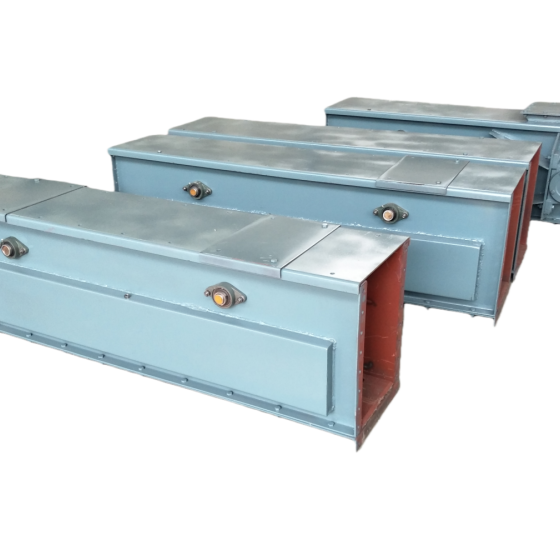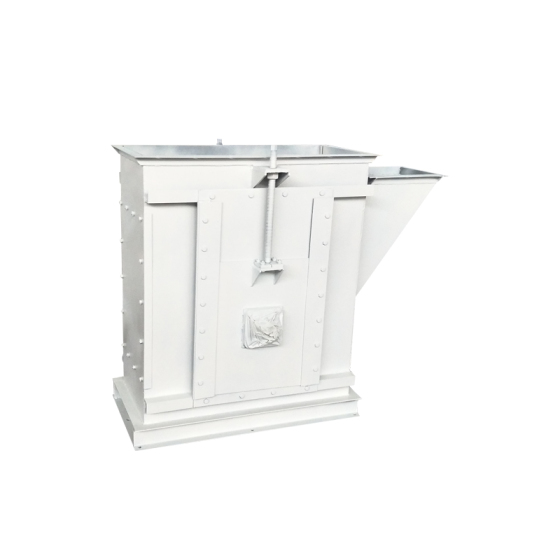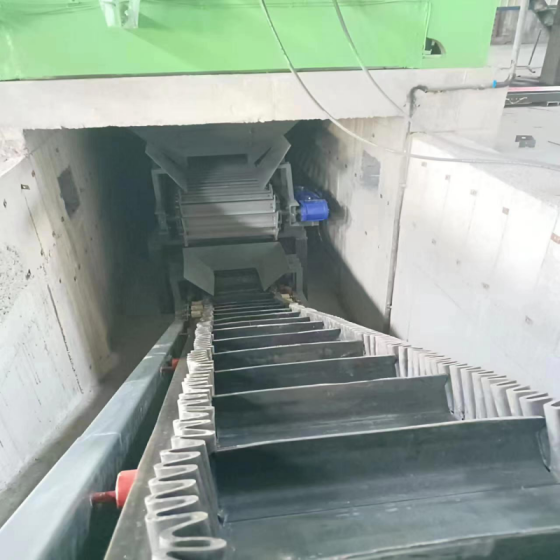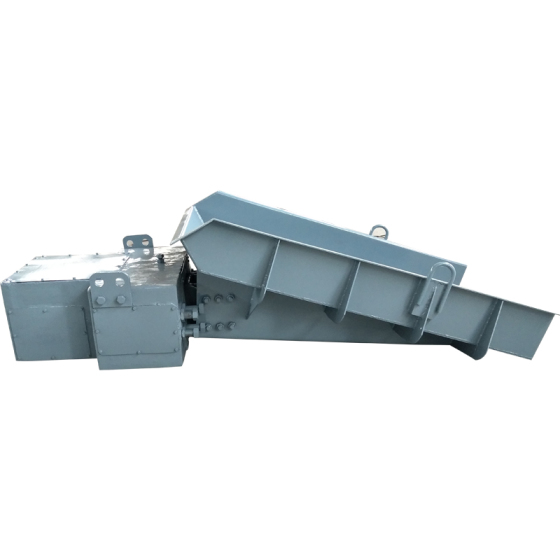



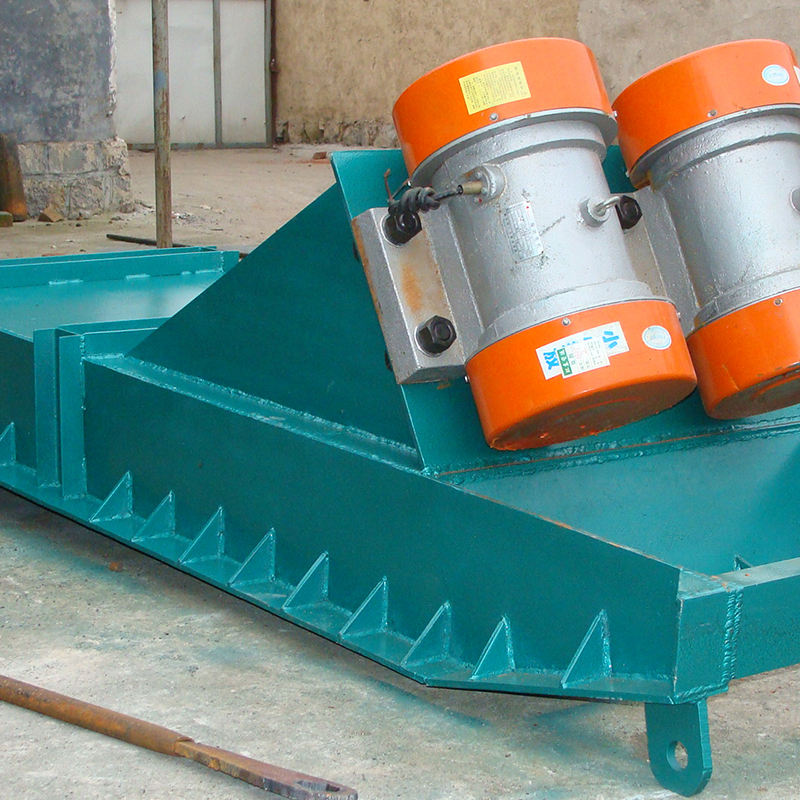
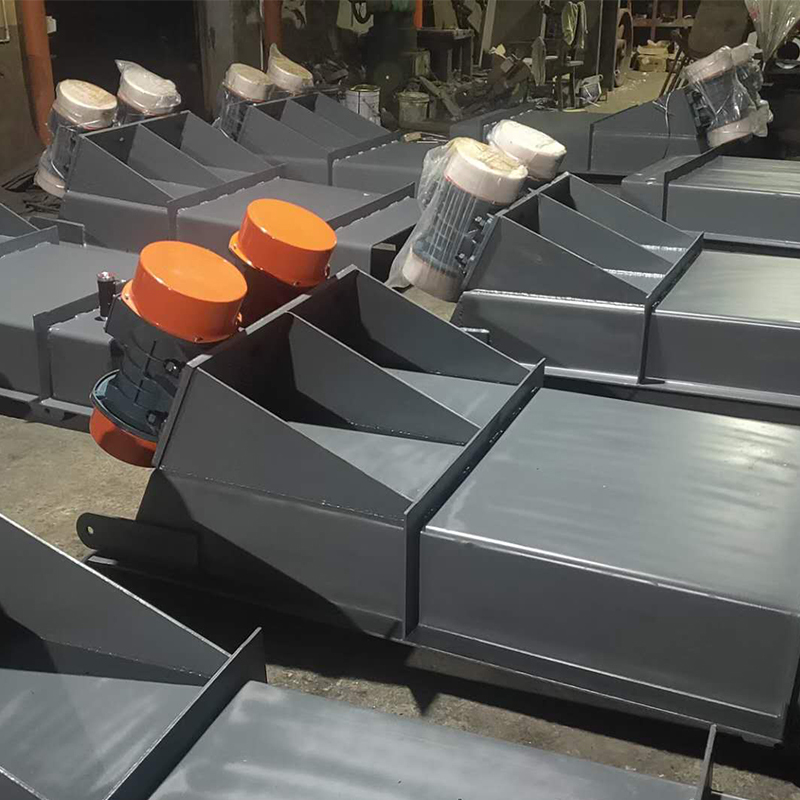
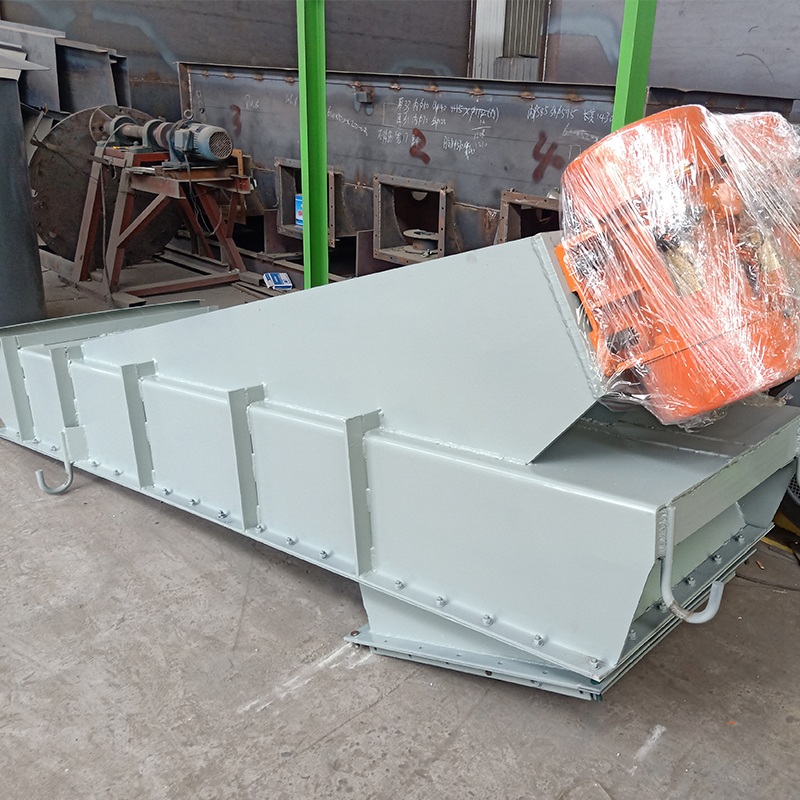
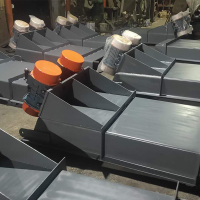
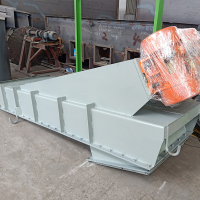
Motor Vibration Feeder
Used to transport block, granular, and powder materials from the storage tank to the hopper evenly and continuously. It is widely applicable in industries such as metallurgy, coal, chemical, building materials, ceramics, grinding, and foodstuff.
- Zhitian
- Shandong
- 3-5days
- 1000PCS
- Information
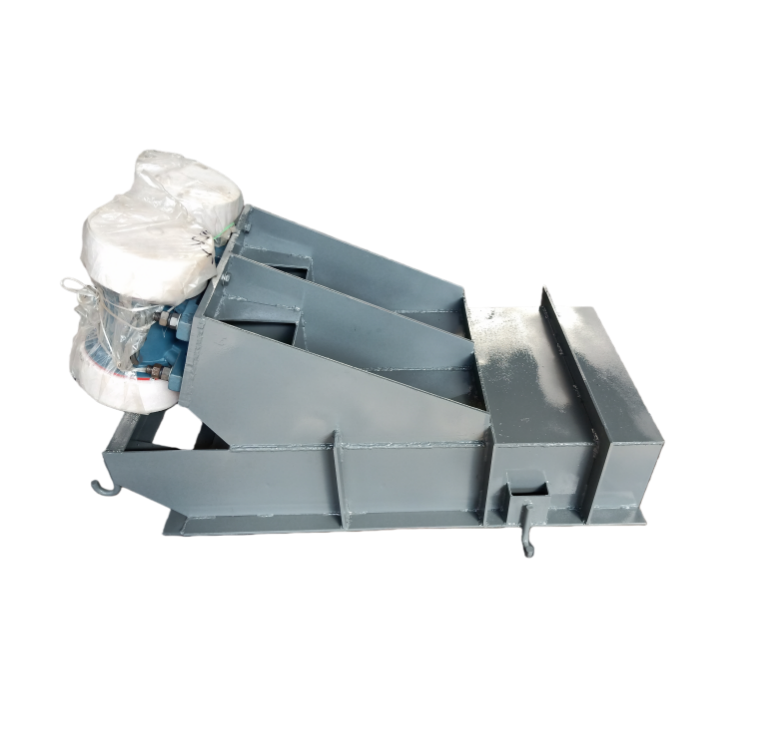
Motor Vibration Feeder
Reliable Material Feeding for Bulk and Granular Materials
A Motor Vibration Feeder is a continuous feeding machine designed to transfer bulk, granular, and lumpy materials at a controlled rate. By using vibration generated by electric motors, the feeder moves material smoothly from a hopper or storage bin to downstream equipment.
Motor vibration feeders are widely used in mining, aggregates, cement, metallurgy, chemical processing, fertilizer, power generation, recycling, and other bulk material handling applications. The simple mechanical structure and adjustable feeding performance make the equipment suitable for both individual feeding points and complete production lines.
What Problems Can a Motor Vibration Feeder Solve?
In many material handling systems, uncontrolled discharge from a hopper can cause uneven feeding, material surges, blockages, or excessive loading on downstream equipment. These problems can affect production efficiency and increase equipment wear.
A Motor Vibration Feeder provides a controlled and continuous material flow. The vibration force separates and transports the material along the feeder surface, helping maintain a stable feed rate.
For crushing and screening plants, the feeder can provide a consistent supply of raw materials to crushers, screens, conveyors, and other processing machines. In mining and mineral processing, the equipment can handle materials such as ore, stone, coal, limestone, and other bulk solids.
Working Principle
The operating principle of a Motor Vibration Feeder is relatively straightforward. One or more vibration motors are installed on the feeder body. When the motors rotate, centrifugal force generates a controlled vibration.
The vibration causes the feeder trough to move periodically. Depending on the installation angle and vibration parameters, material moves forward along the feeding surface while separating and loosening during transportation.
The feeding capacity can be adjusted according to material characteristics, equipment configuration, vibration intensity, and other operating conditions. This allows the feeder to provide a stable material supply for downstream processes.
Main Features of Motor Vibration Feeder
1. Continuous and Stable Feeding
The vibration feeding mechanism provides a relatively uniform material flow, reducing sudden surges and helping downstream equipment operate under more stable loading conditions.
2. Simple Mechanical Structure
A Motor Vibration Feeder has a comparatively simple construction with fewer complicated transmission components. The straightforward design makes installation, inspection, and routine maintenance easier.
3. Adjustable Feeding Capacity
Feeding performance can be configured according to the required capacity. Vibration intensity and operating conditions can be selected to match different material characteristics and production requirements.
4. Suitable for Heavy-Duty Applications
The feeder body can be manufactured with robust structural materials for demanding industrial environments. Heavy-duty configurations are available for abrasive materials, large feed sizes, and high-capacity applications.
5. Good Adaptability to Different Materials
The equipment can be used for many dry bulk materials, including limestone, coal, ore, aggregates, clinker, fertilizer, and other granular or lumpy materials.
6. Easy Maintenance
The motor-driven vibration system reduces the number of complicated mechanical transmission components. Wear parts can be inspected and replaced according to actual operating conditions.
Applications
A Motor Vibration Feeder can be used at different stages of bulk material processing and conveying.
Mining:
Feeding ore, rock, and mineral materials from hoppers to crushers or conveyors.
Aggregates and Quarrying:
Controlled feeding of stone, gravel, crushed rock, and other aggregates.
Cement Industry:
Feeding limestone, clinker, gypsum, and other raw materials to processing equipment.
Coal and Power Plants:
Handling coal and other bulk fuels in material preparation and conveying systems.
Chemical and Fertilizer Industry:
Feeding granular and powdery raw materials into production and processing equipment.
Metallurgy:
Continuous feeding of ores, sintering materials, and other bulk solids.
Recycling:
Controlled feeding of recyclable materials into sorting, crushing, or separation systems.
Motor Vibration Feeder vs. Conventional Feeding Equipment
Different feeding applications require different equipment configurations. Compared with some mechanically driven feeding systems, a motor vibration feeder offers a compact structure and direct vibration operation.
The absence of complex drive mechanisms can help simplify equipment maintenance. The vibration motor also provides a convenient method of generating the required excitation force.
For applications where continuous and controlled feeding is more important than precise weighing, a Motor Vibration Feeder can provide a practical solution. When accurate mass measurement and quantitative dosing are required, a weighing feeder or belt weigh feeder may be more appropriate.
Customized Design for Different Projects
Material properties and operating conditions vary considerably between projects. A suitable Motor Vibration Feeder should therefore be selected according to the actual application.
Important factors include:
Required feeding capacity
Material bulk density
Maximum particle size
Material abrasiveness
Moisture content
Feeding distance
Installation arrangement
Hopper dimensions
Operating environment
Required motor power
Control requirements
Weifang Zhitian can configure the feeder according to customer requirements and production-line conditions. Equipment dimensions, feeding capacity, structural materials, motor configuration, and control methods can be customized for different applications.
Technical Parameters
| Parameter | Typical Configuration |
|---|---|
| Equipment Type | Motor Vibration Feeder |
| Feeding Material | Ore, limestone, coal, aggregates, clinker, fertilizer, etc. |
| Feeding Capacity | Customized according to project |
| Material Size | Customized according to application |
| Drive Method | Vibration Motor |
| Installation | Horizontal or inclined |
| Trough Material | Carbon Steel / Stainless Steel |
| Control | Local Control / PLC / VFD |
| Power Supply | 220V / 380V / Customized |
| Application | Mining, Cement, Chemical, Metallurgy, Fertilizer, Power, Recycling |
Actual specifications should be confirmed according to material properties, required capacity, and site conditions.
Why Choose Weifang Zhitian?
Weifang Zhitian focuses on industrial material handling, feeding, weighing, and separation equipment. Each feeding system can be designed according to the customer's material characteristics and production process rather than relying on a single standard configuration.
For customers who need a reliable Motor Vibration Feeder, the engineering team can provide equipment selection, customized design, manufacturing, testing, and technical support.
The goal is not simply to supply a feeder, but to provide a feeding solution that works reliably with the customer's existing production line.
Conclusion
A Motor Vibration Feeder provides a practical method for continuous and controlled handling of bulk materials. Its vibration-based feeding principle, simple structure, adjustable capacity, and broad material adaptability make the equipment suitable for many industrial applications.
From mining and aggregate processing to cement, fertilizer, chemical, metallurgy, and power plants, the right vibration feeder can help maintain a stable material flow and improve the overall reliability of a material handling system.
For projects requiring customized feeding capacity, equipment dimensions, motor configuration, or control integration, Weifang Zhitian can provide a suitable Motor Vibration Feeder based on the specific production requirements.