


Electric Magnetic Separator
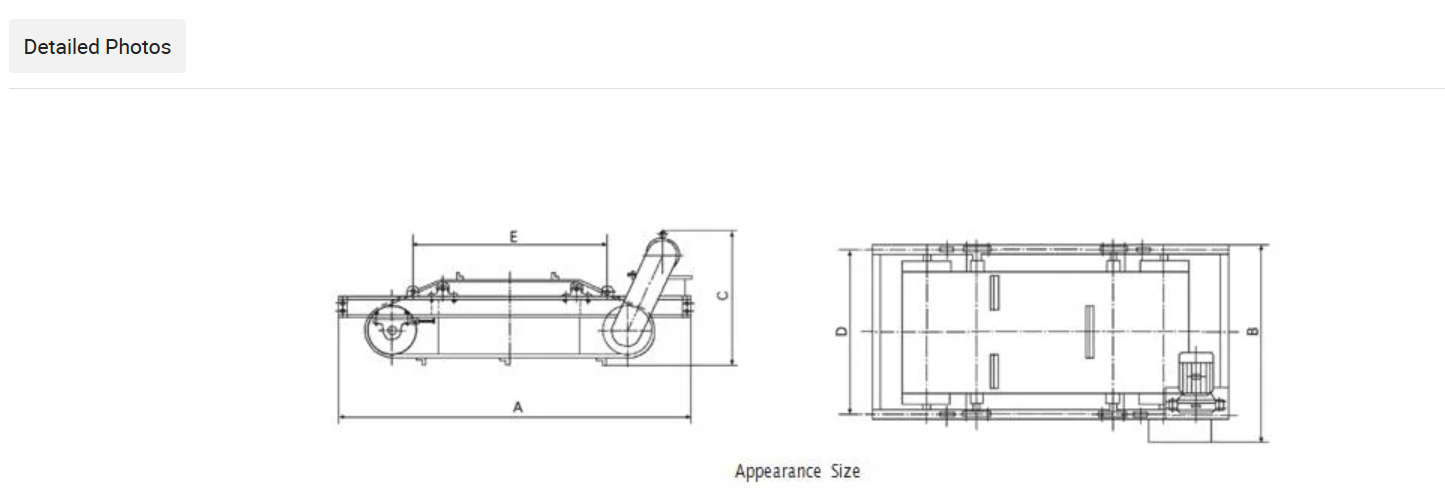
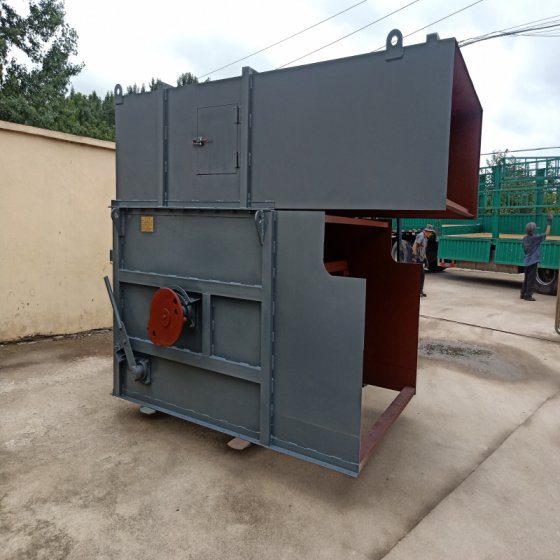
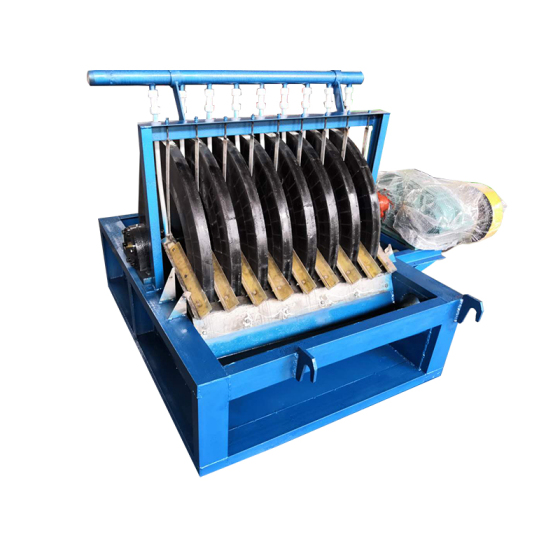
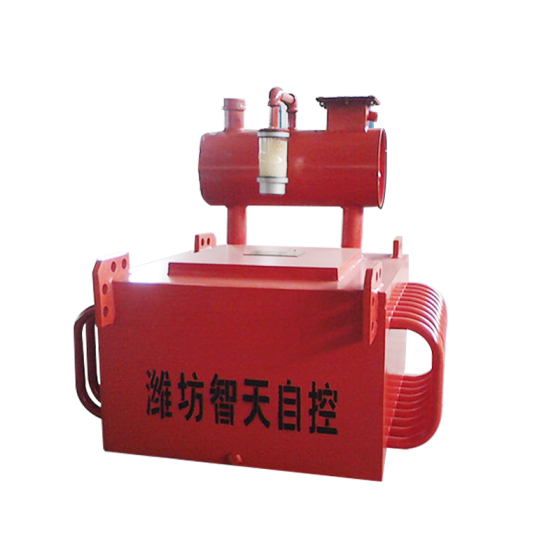
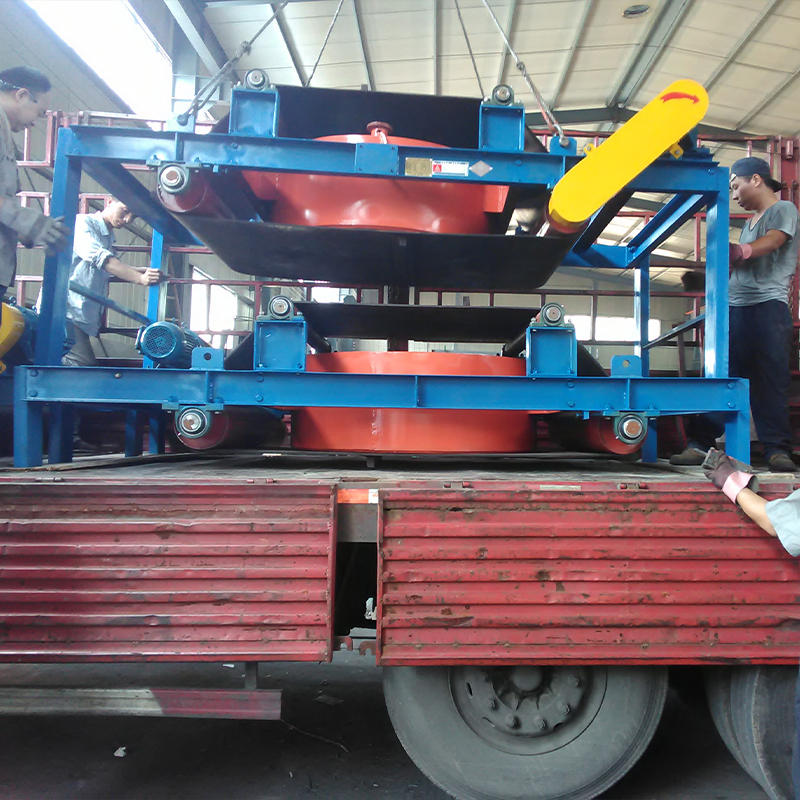
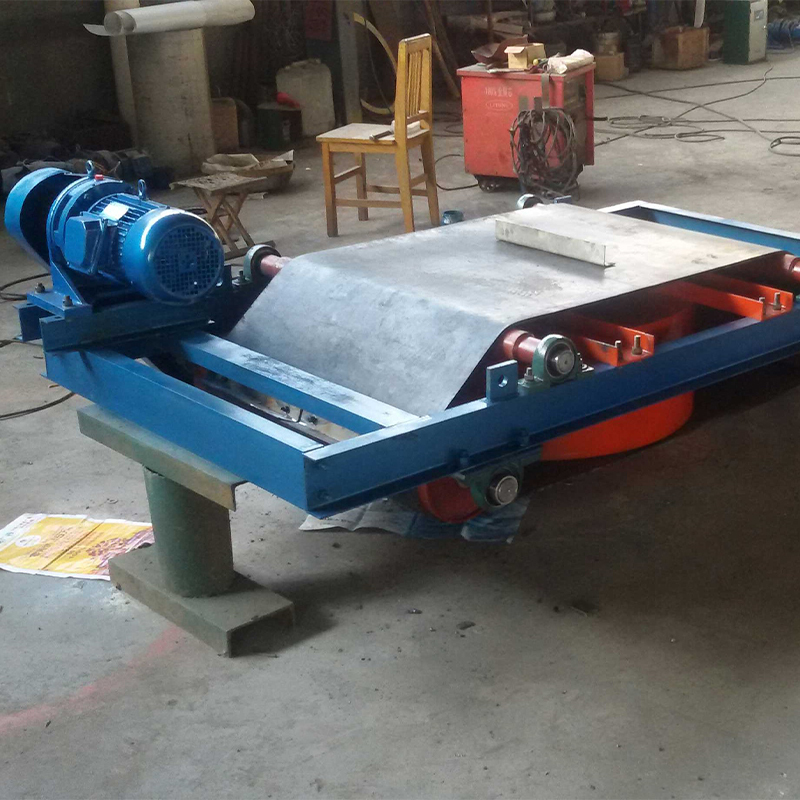
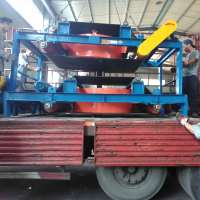
RCDD series dry type self-discharging electromagnetic separator is a kind of iron removal device to automatically remove tramp iron in powdery or lump non-magnetic materials. The RCDD series electromagnetic separator mainly Used for removing iron from any material on the conveyor belt before the crushing mill and it can also be used for any bad environment.
- Zhitian
- Shandong
- 3-5days
- 1000PCS
- Information
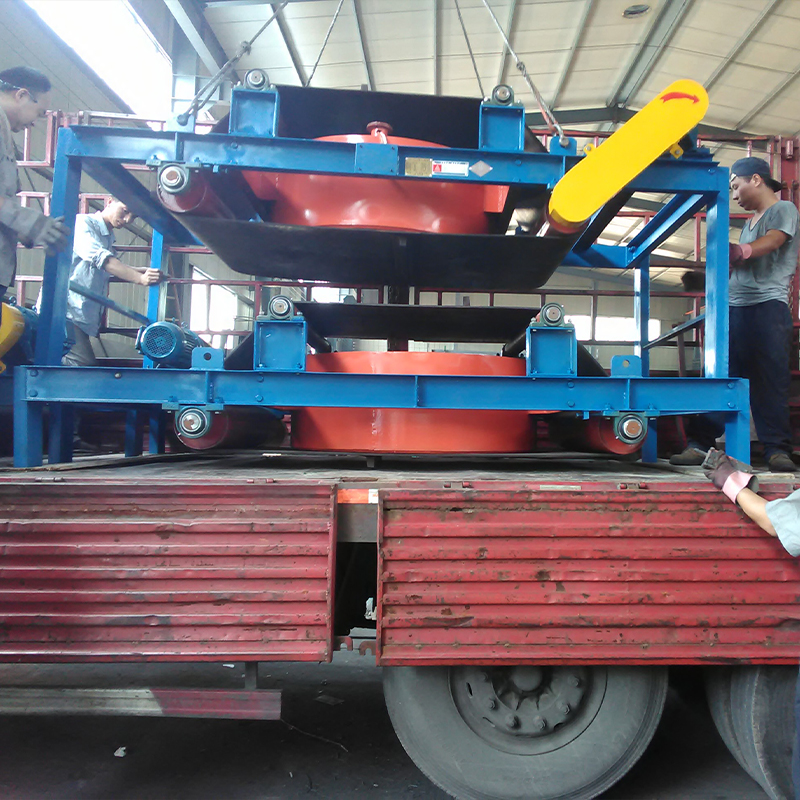
Electric Magnetic Separator
An Electric Magnetic Separator is industrial separation equipment used to remove ferrous metals and recover magnetic materials from bulk materials. It uses an electrically generated magnetic field to attract iron and steel contaminants from materials moving through a conveyor, chute, hopper, or processing line.
Compared with permanent magnetic equipment, an electric magnetic separator can provide a stronger and more adjustable magnetic field for demanding separation applications. It is commonly used where the material contains relatively large amounts of iron contamination or where a higher magnetic force is required.
The equipment is widely applied in mining, cement, coal, metallurgy, power generation, chemical processing, aggregate, recycling, and other industries.
What Is an Electric Magnetic Separator?
An Electric Magnetic Separator uses an electromagnetic coil to generate the magnetic field required for separation. When bulk material passes through the magnetic field, ferrous particles are attracted toward the magnetic separator while non-magnetic material continues along the normal conveying route.
The separated iron can then be removed manually or automatically, depending on the equipment configuration and application.
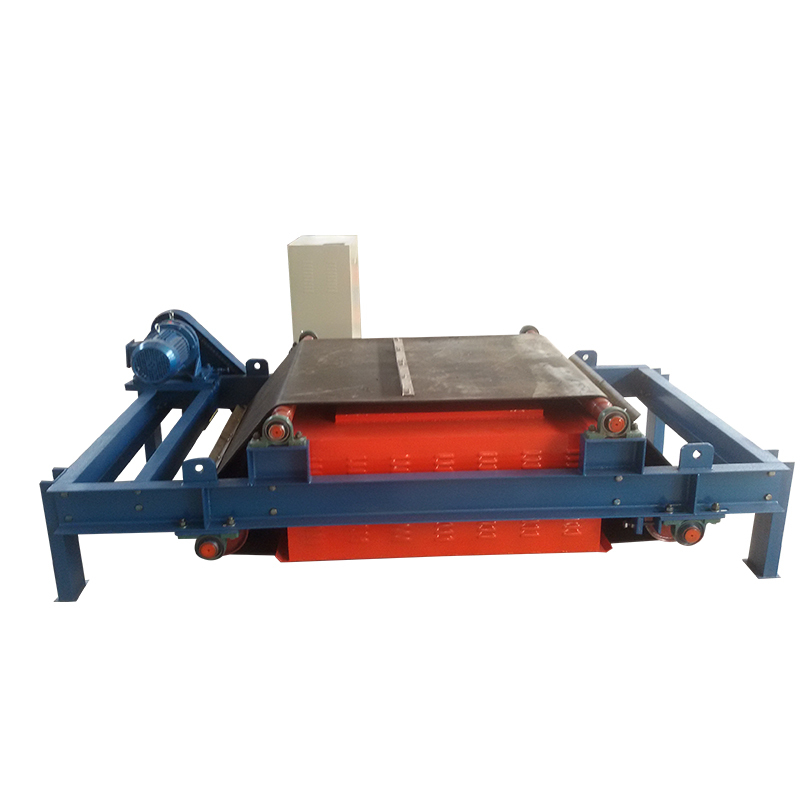
The main components generally include an electromagnetic system, iron core, housing, suspension or mounting structure, cooling system, and electrical control components. For self-cleaning designs, a moving belt can be installed around the magnetic assembly to continuously carry the captured iron away from the separation zone.
How Does an Electric Magnetic Separator Work?
The working principle is straightforward.
Material enters the magnetic separation area through a conveyor belt or chute. When the material passes underneath or through the magnetic field generated by the electromagnetic system, ferrous objects are attracted toward the separator.
Non-magnetic materials such as stone, coal, sand, fertilizer, or other raw materials are not affected and continue through the production process.
The captured iron is then discharged separately. Depending on the design, this can be carried out continuously by a self-cleaning belt or handled manually after the machine is stopped.
The magnetic force can be adjusted according to the material characteristics and separation requirements, making an Electric Magnetic Separator suitable for applications where fixed magnetic intensity may not be sufficient.
Main Advantages of Electric Magnetic Separator
Strong Magnetic Force
The electromagnetic system can generate a strong magnetic field suitable for removing larger or deeply buried ferrous contaminants from bulk materials.
This is particularly useful when iron pieces are mixed throughout a thick layer of material rather than simply sitting on the surface.
Adjustable Magnetic Field
One important advantage of an Electric Magnetic Separator is that the magnetic field can be controlled according to the application.
Different materials, belt speeds, material layer thicknesses, and separation requirements may require different magnetic forces. Adjustable electromagnetic intensity provides greater flexibility during equipment operation.
Suitable for Heavy-Duty Applications
The equipment can be designed for continuous industrial operation and is suitable for demanding working environments such as mining, cement plants, coal handling systems, and aggregate processing plants.
Effective Protection of Downstream Equipment
Unexpected pieces of iron can cause serious damage to crushers, mills, screens, conveyors, and other processing equipment.
Installing an Electric Magnetic Separator before critical equipment provides an additional level of protection by removing unwanted metal before it reaches the next stage of the production line.
Continuous Iron Removal
For applications with a large amount of ferrous contamination, a self-cleaning configuration can automatically transport the captured metal away from the magnetic field.
This reduces the need for frequent manual cleaning and allows the material handling line to operate continuously.
Electric Magnetic Separator Applications
An Electric Magnetic Separator can be installed in many bulk material handling and mineral processing systems.
Typical applications include:
Mining and mineral processing
Cement plants
Coal handling systems
Aggregate plants
Quarry operations
Metallurgical plants
Power plants
Chemical plants
Fertilizer production
Recycling facilities
Waste processing
Glass and ceramic industries
Sand processing
In a cement production line, for example, the separator can be installed above a belt conveyor to remove tramp iron from limestone, clinker, coal, or other bulk materials.
In mining applications, it can help protect crushers, conveyors, and other equipment from unwanted steel pieces originating from excavation, drilling, machinery wear, or maintenance activities.
Electric Magnetic Separator for Conveyor Belt
A common installation method is to mount the Electric Magnetic Separator above a conveyor belt.
As the material passes underneath the magnetic separator, ferrous contaminants are attracted upward and removed from the material stream.
The installation height is an important consideration. If the separator is mounted too far away from the material layer, magnetic force at the surface of the material may be insufficient. On the other hand, the equipment must also have enough clearance for stable conveyor operation and maintenance.
For high-capacity conveying systems, the separator can be equipped with a self-cleaning belt. Captured iron is continuously transported toward the discharge area, while the main material remains on the conveyor.
Technical Parameters
| Parameter | Specification |
|---|---|
| Equipment Type | Electric Magnetic Separator |
| Magnetic System | Electromagnetic |
| Installation | Overband / Suspended / Customized |
| Material | Coal, ore, limestone, aggregate, sand, fertilizer, etc. |
| Working Mode | Continuous or intermittent |
| Magnetic Intensity | Adjustable / Customized |
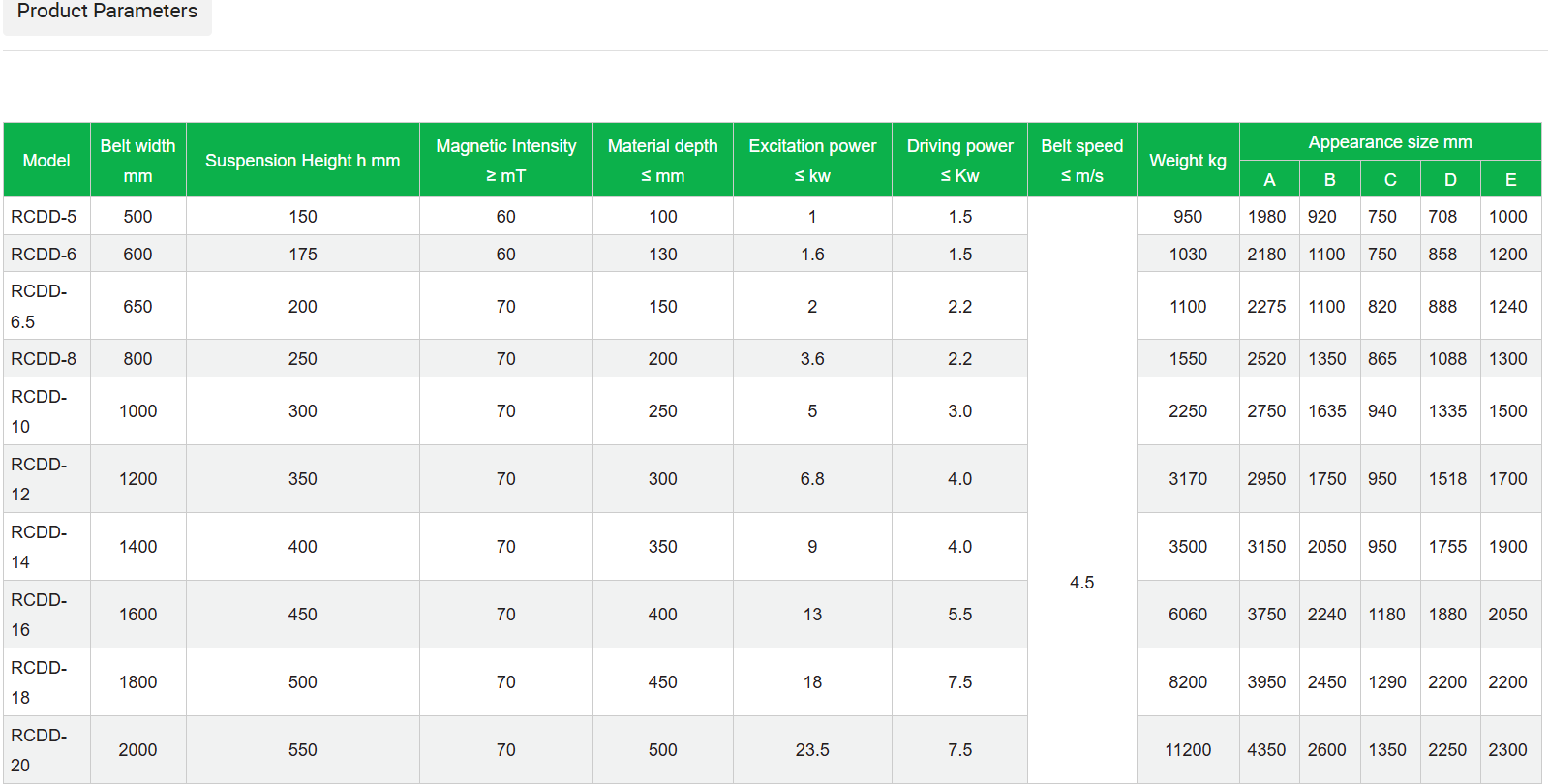
| Belt Width | Customized according to conveyor |
| Processing Capacity | According to conveyor capacity |
| Separation Material | Ferrous metals and magnetic iron |
| Cleaning Method | Manual or automatic |
| Cooling Method | Air cooling / Oil cooling, depending on design |
| Drive System | Electric motor for self-cleaning type |
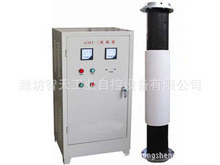
| Control System | Electrical control cabinet |
| Installation Angle | Horizontal or customized |
| Application | Mining, cement, coal, metallurgy, chemical, recycling, etc. |
Actual specifications are selected according to conveyor width, belt speed, material layer thickness, conveying capacity, particle size, iron contamination, installation height, and required separation performance.
How to Select an Electric Magnetic Separator?
Selecting the correct Electric Magnetic Separator requires more than simply matching the conveyor width.
Several operating conditions should be considered:
1. Conveyor Belt Width
The separator must provide sufficient magnetic coverage across the material flow.
2. Belt Speed
Higher belt speeds reduce the time available for magnetic separation, so stronger magnetic performance or a different installation arrangement may be required.
3. Material Layer Thickness
A thick layer of coal, ore, or aggregate makes it more difficult for the magnetic field to reach ferrous objects located below the surface.
4. Size of Iron Contaminants
Small iron particles and large steel components require different magnetic separation conditions.
5. Installation Height
The distance between the magnetic separator and material surface has a direct influence on separation performance.
6. Amount of Iron Contamination
If the material contains frequent or large quantities of tramp iron, a self-cleaning configuration may be more suitable than a manually cleaned unit.
Customized Electric Magnetic Separation Solutions
There is no single separator configuration suitable for every production line. A conveyor handling coal in a power plant may have completely different requirements from a conveyor transporting iron ore or limestone.
We can customize the Electric Magnetic Separator according to the customer's conveying conditions and process requirements. Magnetic strength, equipment dimensions, installation structure, cooling method, cleaning arrangement, and control system can all be selected according to the project.
The separator can also be integrated with existing belt conveyors, crushers, screens, feeders, and other material handling equipment.
Electric Magnetic Separator Manufacturer
As an Electric Magnetic Separator manufacturer, we provide magnetic separation equipment for bulk material handling and industrial processing applications.
Our engineering team evaluates the customer's material characteristics and operating conditions before recommending equipment. This includes conveyor width, belt speed, material capacity, particle size, material layer thickness, installation height, and expected iron removal requirements.
The objective is to select a magnetic separator that fits the actual production line rather than simply supplying a standard machine.
For customers looking for an Electric Magnetic Separator for mining, cement, coal, aggregate, metallurgy, chemical processing, or recycling applications, customized equipment and technical support are available according to project requirements.