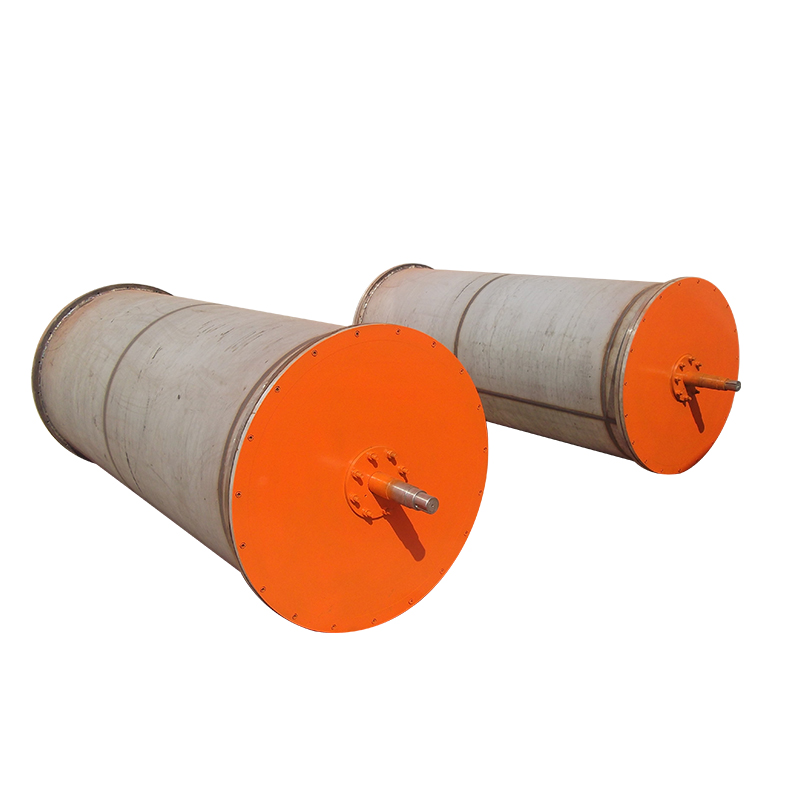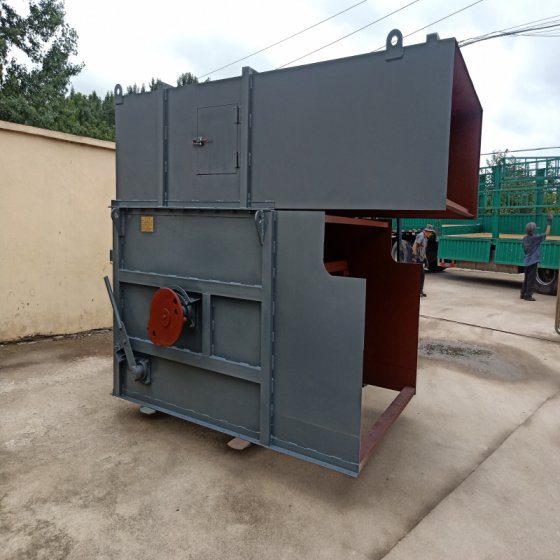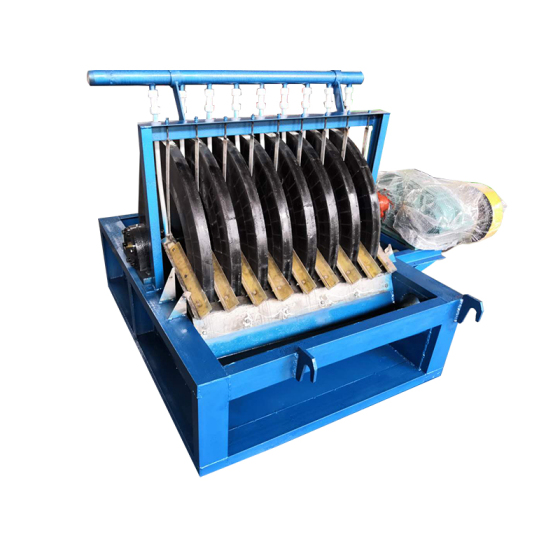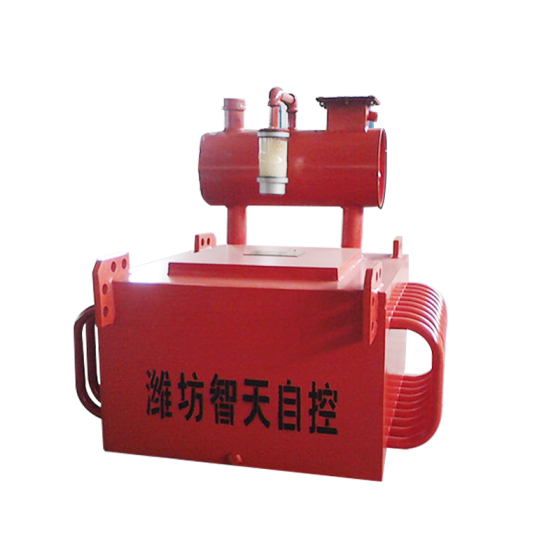



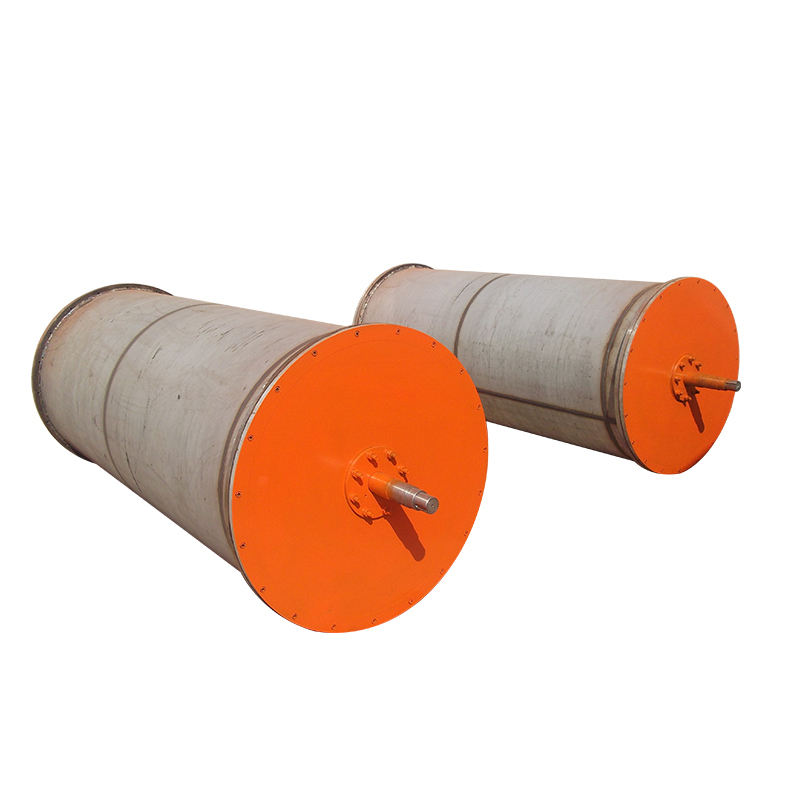
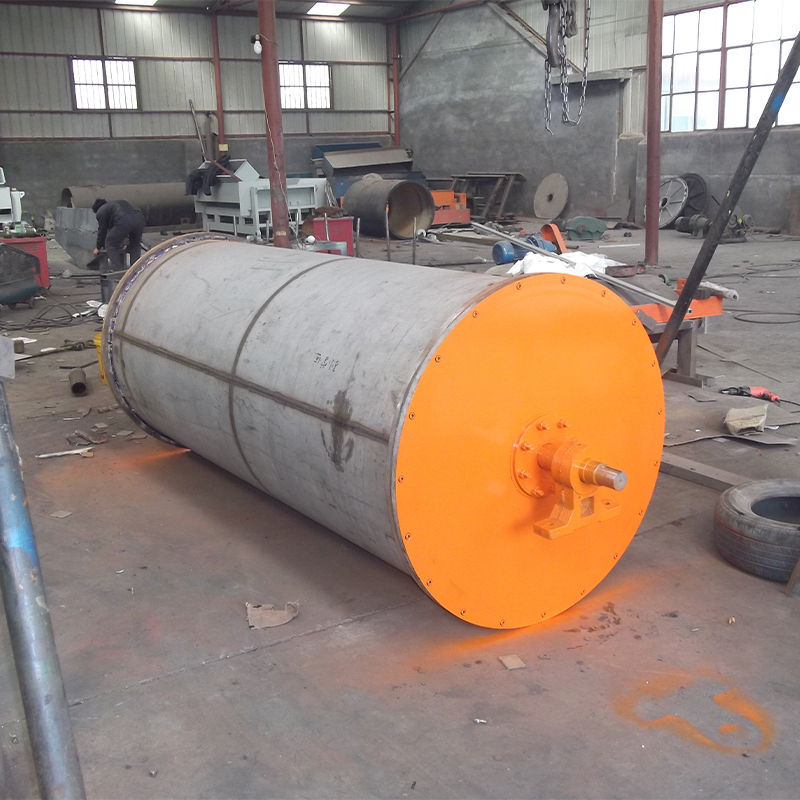
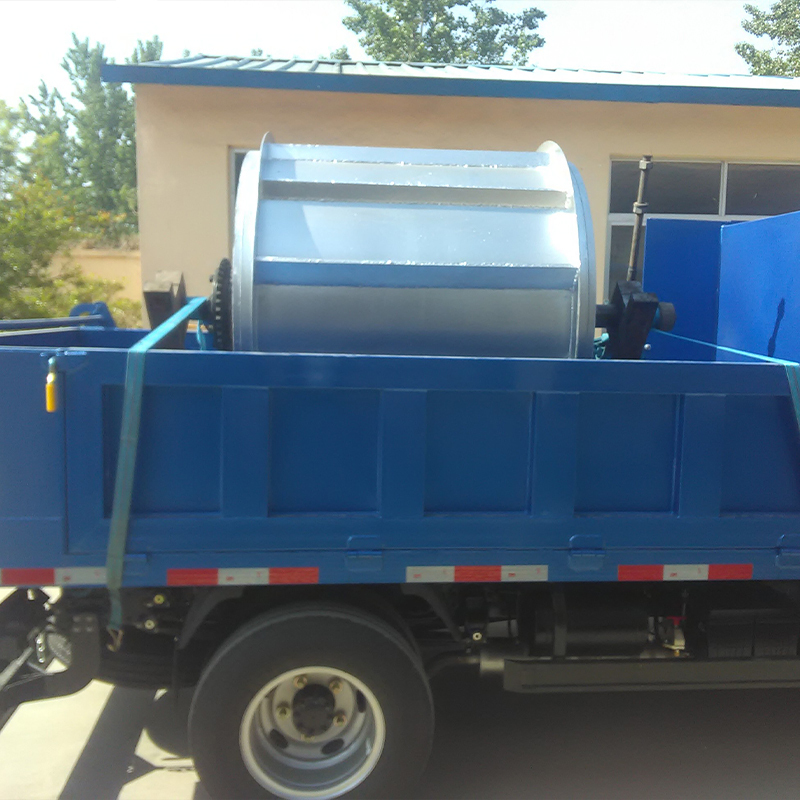
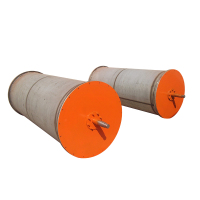
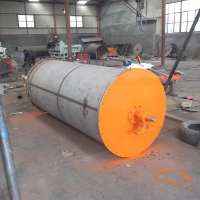
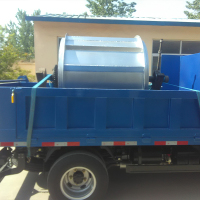
Drum Magnetic Belt Conveyor Separator
Removal of mixed waste rock, restoration of geological grade, recovery of magnetite from waste rock; recovery of metallic iron from steel slag; waste disposal, sorting of useful metals, environmental improvement.
- Zhitian
- Shandong
- 3-5days
- 1000PCS
- Information
Drum Magnetic Belt Conveyor Separator
The Drum Magnetic Belt Conveyor Separator is a continuous magnetic separation system designed to remove ferrous metal from bulk materials transported by a conveyor belt. It is widely used in mining, aggregate, recycling, cement, coal, chemical, fertilizer, food processing, and other industries where iron contamination needs to be removed from the material stream.
The equipment combines a conveyor feeding system with a magnetic drum separator. As the material passes over or around the magnetic drum, ferrous particles are attracted by the magnetic field and separated from the non-magnetic material. The separated iron is discharged into a different collection area, while the cleaned material continues along the conveying route.
For production lines handling large quantities of bulk materials, the Drum Magnetic Belt Conveyor Separator provides a simple and continuous method of iron removal without requiring frequent manual cleaning.
What Is a Drum Magnetic Belt Conveyor Separator?
A Drum Magnetic Belt Conveyor Separator is a magnetic separation device installed at the discharge end or transfer point of a conveyor system.
The main working components include a conveyor belt, magnetic drum, drive system, frame, and magnetic separation structure. Depending on the application, the magnetic drum can use permanent magnets or other magnetic configurations selected according to the material and separation requirements.
When bulk material reaches the magnetic drum, ferrous contaminants are captured by the magnetic field. Because non-magnetic materials are not attracted to the drum, they follow their normal trajectory and fall away from the magnetic zone.
This continuous separation process makes the equipment suitable for applications where material flow cannot be interrupted.
How Does the Magnetic Drum Separator Work?
The working principle is based on the difference in magnetic properties between ferrous metals and non-magnetic materials.
Material is transported by the conveyor belt toward the magnetic drum. When the material reaches the magnetic field, iron particles and other ferrous contaminants are attracted toward the surface of the drum.
The non-magnetic material continues moving according to its normal discharge path. Ferrous material remains attached to the rotating drum for a short distance and is then released when it moves away from the effective magnetic field.
This creates two separate material streams:
Cleaned non-magnetic material
Separated ferrous metal
The process is continuous, which allows the Drum Magnetic Belt Conveyor Separator to operate with high material throughput.
Main Features
Continuous Automatic Iron Removal
The separator can operate continuously with the conveyor system. Ferrous contaminants are automatically separated as the material passes through the magnetic field.
This reduces manual inspection and cleaning work and helps maintain a stable production process.
Strong Magnetic Attraction
The magnetic drum provides a concentrated magnetic field around the separation area. The magnetic configuration can be selected according to the type, size, and quantity of iron contamination expected in the material.
For applications with larger iron pieces or higher contamination levels, the magnetic system can be configured accordingly.
Simple Mechanical Structure
Compared with complicated sorting systems, a drum magnetic separator has a relatively straightforward mechanical structure.
The main components are easy to inspect and maintain, which is useful for industrial plants requiring long operating hours.
Suitable for Continuous Conveying Systems
The equipment can be integrated with existing belt conveyors and material handling systems.
It can be installed at conveyor discharge points, material transfer points, or other suitable locations where effective magnetic separation is required.
Reduced Risk of Equipment Damage
Removing tramp iron before the material enters crushers, grinders, mills, screens, or other downstream equipment can help reduce the risk of damage caused by unwanted metal objects.
For mining and aggregate applications, this can be particularly important because large pieces of iron may cause serious mechanical problems in downstream machinery.
Typical Applications
The Drum Magnetic Belt Conveyor Separator is suitable for a wide range of bulk material processing applications.
Mining
Used for separating iron contaminants from ore, crushed rock, and other mineral materials. It can also be installed before crushers and screening equipment to protect downstream machinery.
Aggregate and Quarry
The separator can remove tramp iron from crushed stone, sand, gravel, and other aggregate products.
Cement Industry
It can be used in raw material conveying and clinker-related material handling systems to remove unwanted ferrous metal.
Coal Processing
The magnetic drum separator can help remove iron pieces and other ferrous contaminants from coal transported by belt conveyors.
Recycling
In recycling plants, the equipment can separate ferrous metals from various bulk material streams and improve the quality of the remaining material.
Chemical and Fertilizer Plants
For bulk powders and granular products, magnetic separation can be used to remove iron contamination introduced during production, conveying, or handling.
Advantages of Drum Magnetic Belt Conveyor Separator
One of the main advantages of a Drum Magnetic Belt Conveyor Separator is its ability to combine material conveying and magnetic separation into a continuous process.
There is no need to stop the conveyor every time ferrous material needs to be removed. The rotating drum performs the separation while the material is continuously transported.
Another advantage is its relatively low operating complexity. Permanent magnetic systems do not require continuous electrical power to generate the magnetic field, which can help reduce operating requirements.
The equipment can also be customized according to conveyor width, material capacity, particle size, material characteristics, and required magnetic strength.
Technical Parameters
| Parameter | Specification |
|---|---|
| Equipment Type | Drum Magnetic Belt Conveyor Separator |
| Magnetic Type | Permanent Magnetic |
| Application | Ferrous Metal Separation |
| Material | Ore, coal, aggregate, cement, fertilizer, recycling materials, etc. |
| Feeding Method | Belt Conveyor |
| Separation Method | Continuous Magnetic Separation |
| Drum Diameter | Customized |
| Conveyor Width | Customized |
| Processing Capacity | Customized according to project requirements |
| Magnetic Intensity | Customized according to application |
| Belt Speed | Adjustable according to process requirements |
| Drive System | Geared Motor |
| Installation | Horizontal / Customized |
| Control | Local Control / Integrated Control System |
The final configuration should be determined according to material density, particle size, conveyor speed, belt width, iron contamination, and required separation performance.
Installation Position
The installation location has a direct influence on separation performance.
The Drum Magnetic Belt Conveyor Separator can generally be installed at a conveyor discharge point, transfer section, or other suitable position where the material can pass through the magnetic separation zone.
Before installation, the following factors should be considered:
Conveyor belt width
Material layer thickness
Conveyor speed
Material particle size
Expected iron contamination
Available installation space
Required separation capacity
Downstream equipment protection requirements
For difficult applications, it is recommended to evaluate the material characteristics and actual working conditions before selecting the magnetic drum size and magnetic configuration.
Maintenance
The structure of the drum magnetic separator is designed for routine industrial maintenance.
Regular inspection should focus on the conveyor belt, bearings, drive components, drum surface, frame, and material buildup around the separation area.
Ferrous objects collected during operation should also be checked regularly. Although the automatic separation process reduces manual work, routine inspection helps ensure stable long-term operation.
Proper alignment of the conveyor and regular inspection of mechanical components can also help extend equipment service life.
Customized Magnetic Separation Solutions
Different production lines have different requirements for magnetic separation. A recycling plant may deal with a large amount of mixed metal, while a cement or mining plant may mainly need to remove occasional tramp iron to protect downstream equipment.
For this reason, the Drum Magnetic Belt Conveyor Separator can be configured according to the customer's actual process conditions.
Important selection factors include material type, capacity, particle size, belt width, conveyor speed, iron contamination level, installation position, and required magnetic field strength.
Based on these parameters, the drum diameter, magnetic system, conveyor dimensions, drive system, and overall equipment configuration can be selected accordingly.
Reliable Ferrous Metal Separation for Conveyor Systems
The Drum Magnetic Belt Conveyor Separator provides a practical solution for continuous removal of ferrous metal from bulk material streams.
Its combination of conveyor feeding and magnetic separation makes it suitable for mining, aggregate, cement, coal, recycling, chemical, fertilizer, and other industries.
By removing unwanted iron before it reaches sensitive processing equipment, the separator can help improve material quality, reduce the risk of downstream equipment damage, and simplify daily material handling operations.
For projects requiring customized magnetic separation equipment, the system can be designed according to conveyor dimensions, material characteristics, processing capacity, and site conditions.