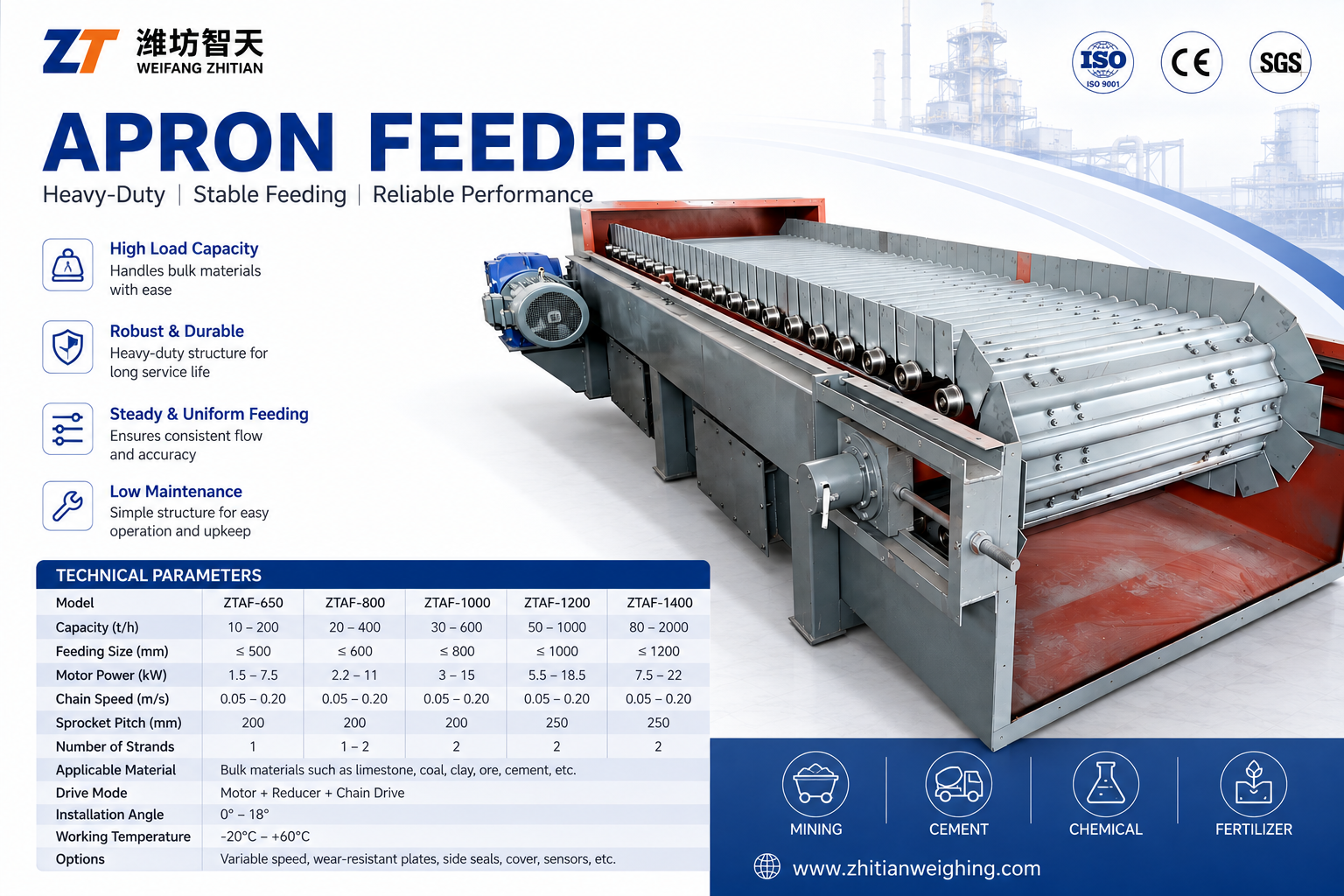



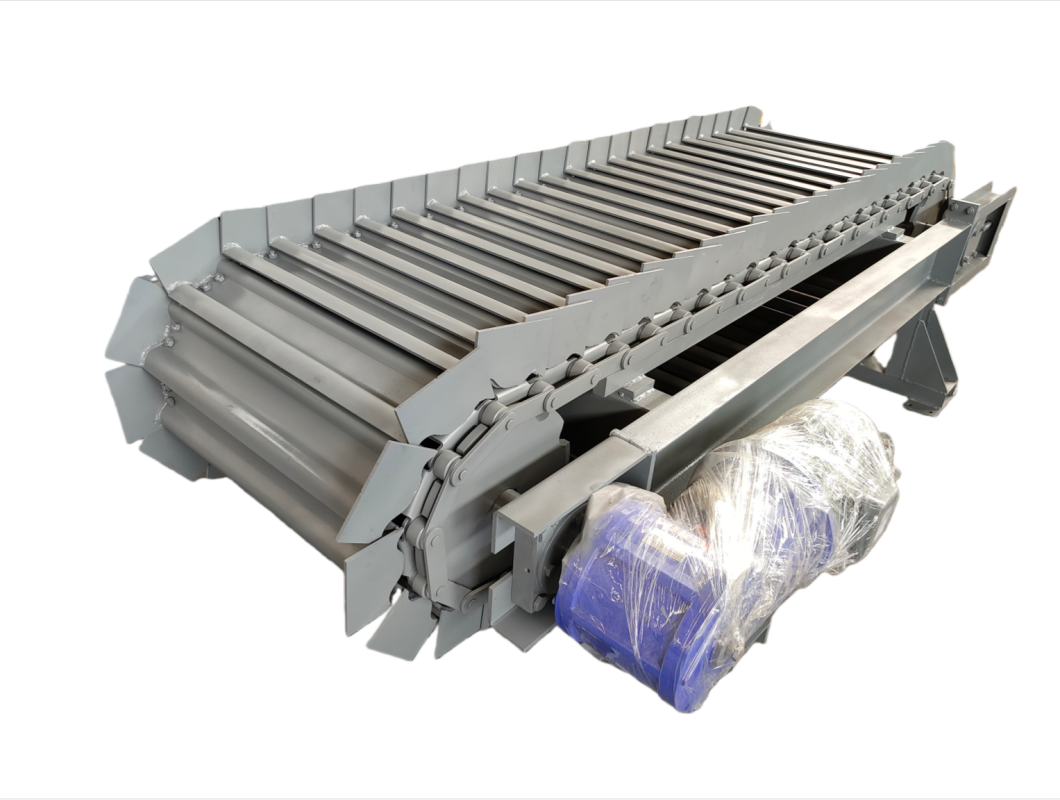
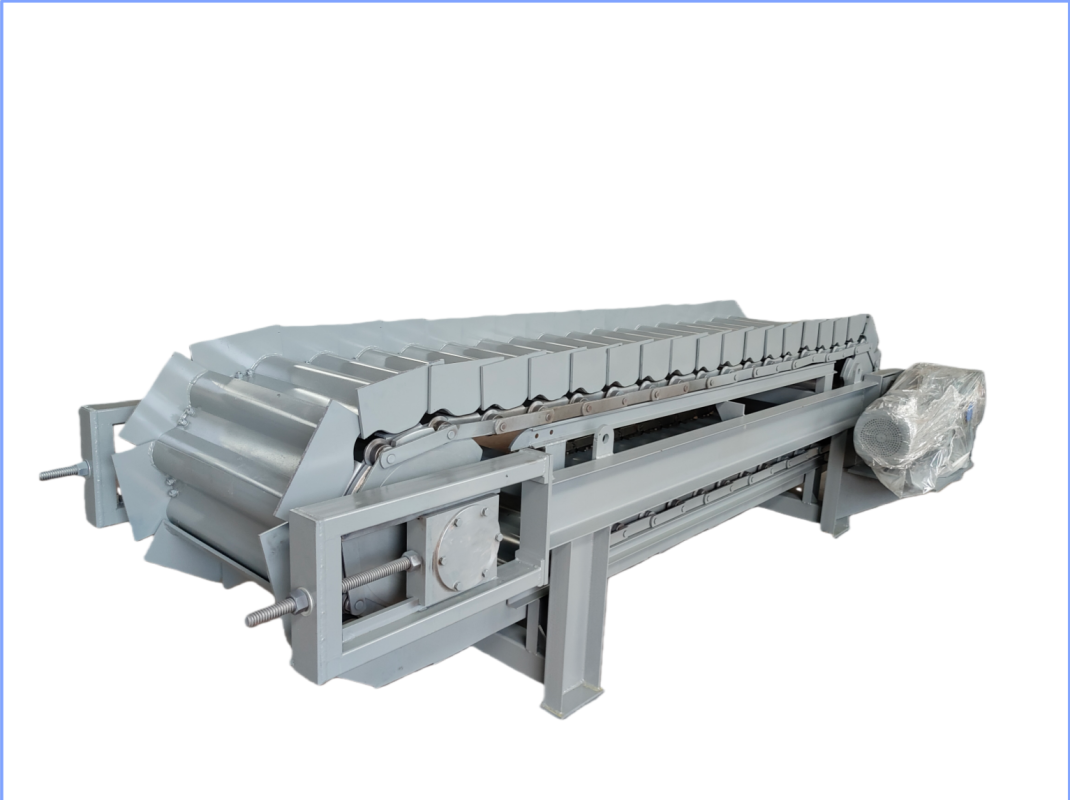
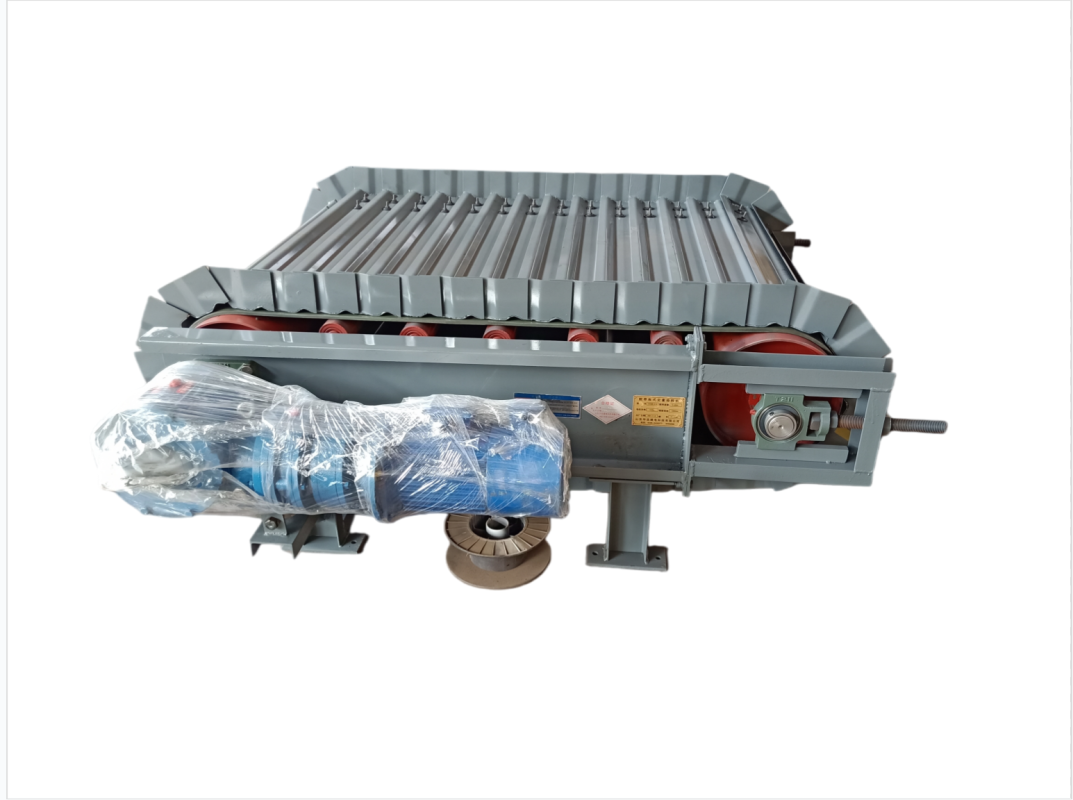
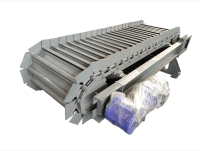
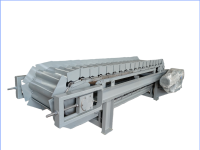
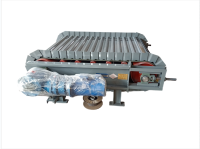
Apron Feeder for High Temperature Of Clinker
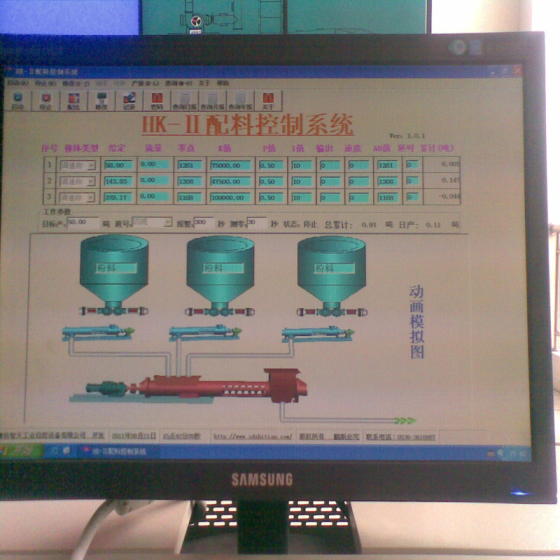
The weight signal and speed signal belt running from the Chain plate material to transfer to the micro processing controller, automatically calculate the instantaneous flow of materials. The transient flow through the continuous setting flow and the actual material, to adjust the chaine plate running speed, so that the actual material flow is maintained in the set value of flow.
- Zhitian
- Shandong
- 10-15days
- 100PCS
- Information
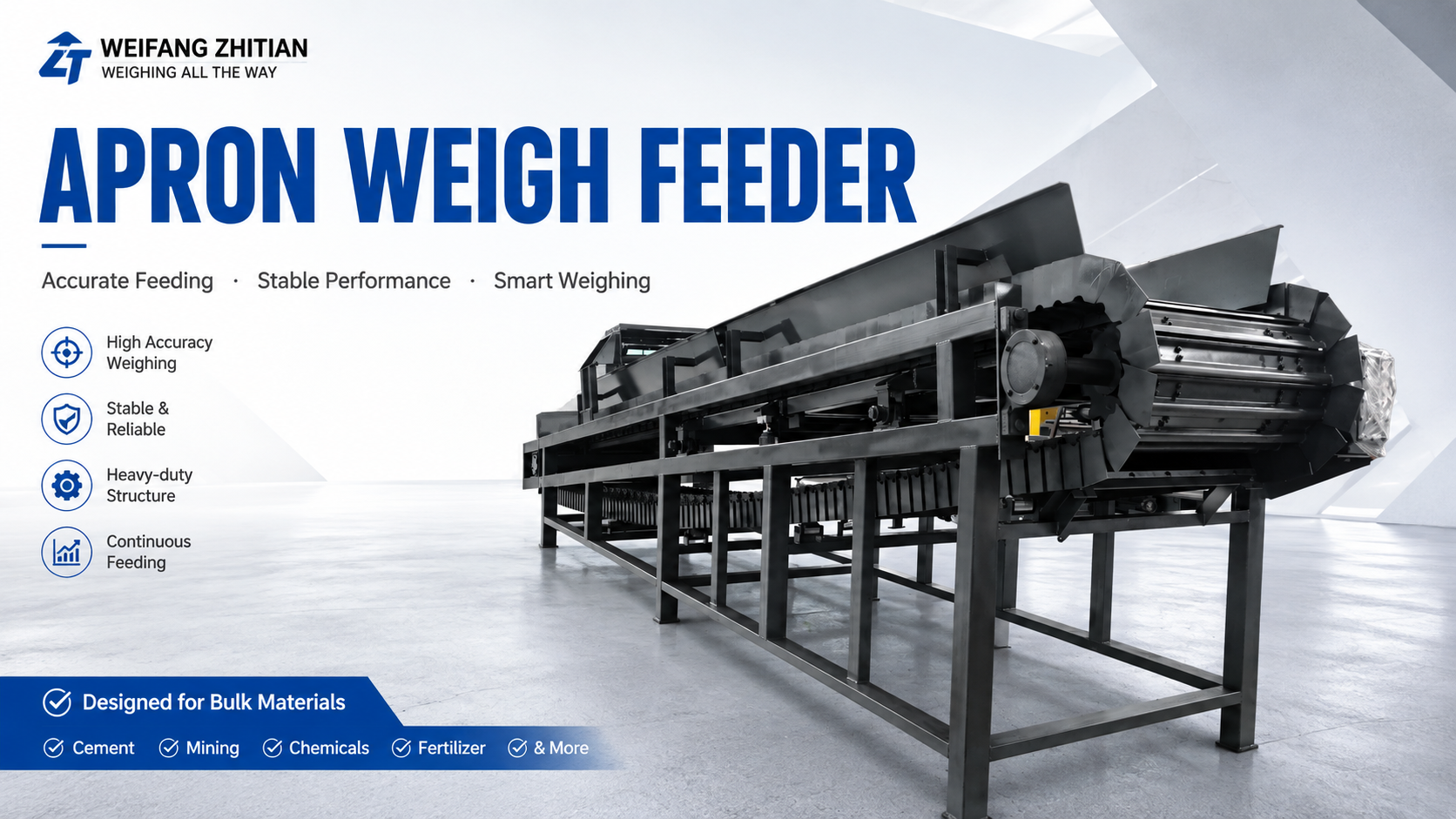
Apron Weigh Feeder
An Apron Weigh Feeder is a heavy-duty feeding and weighing machine designed for continuous handling of large quantities of bulk materials. Compared with ordinary belt feeders, an apron weigh feeder is better suited to heavy, abrasive, hot, and irregular materials. It is commonly used in mining, cement, metallurgy, power plants, chemical processing, and aggregate production.
The equipment combines the functions of an apron feeder and a dynamic weighing system. Material is discharged from a hopper onto the apron conveyor, while the weighing and speed-measuring system continuously monitors the material flow. The control system calculates the actual feeding rate and adjusts the drive speed according to the required setpoint.
For plants where material handling conditions are demanding, an Apron Weigh Feeder provides a practical alternative to conventional feeding equipment.
What Problems Can an Apron Weigh Feeder Solve?
In many heavy-duty applications, ordinary belt feeders may face problems caused by large lump sizes, sharp materials, high material temperatures, or excessive impact loading. These conditions can increase belt wear and lead to unstable feeding.
An Apron Weigh Feeder uses a series of overlapping metal pans or plates connected to a heavy-duty chain system. The rigid conveying surface is designed to withstand impact from material falling directly from a storage hopper.
This design is particularly useful for materials such as limestone, coal, clinker, iron ore, copper ore, slag, rock, and other bulk materials with high density or strong abrasiveness.
The integrated weighing system also allows operators to monitor the actual material flow instead of relying only on the feeder speed. This makes the equipment suitable for applications requiring continuous feeding, process control, proportioning, or material batching.
How Does an Apron Weigh Feeder Work?
The working principle is relatively straightforward.
Bulk material enters the feeder from a hopper or storage bin. The apron plates move continuously under the material layer and transport the material toward the discharge point.
A weighing section measures the load carried by the moving apron, while a speed sensor detects the actual conveyor speed. The control system combines these signals to calculate the instantaneous feeding rate.
If the actual flow rate differs from the target value, the variable-speed drive automatically adjusts the feeder speed. In this way, the weigh feeder can maintain a stable material flow according to the process requirement.
This continuous measurement is useful in production lines where the material feeding rate directly affects the quality or output of the final product.
Main Features of the Apron Weigh Feeder
Heavy-Duty Apron Construction
The apron conveyor consists of durable metal pans and heavy-duty chains. The structure is designed for applications involving high impact loads and abrasive materials.
Compared with conventional rubber belt feeding equipment, the apron structure provides stronger resistance to mechanical damage in demanding working conditions.
Continuous Dynamic Weighing
The weighing system measures material flow while the feeder is operating. There is no need to stop the machine for routine weighing.
The collected load and speed signals are processed by the weighing controller to calculate the feeding rate and accumulated quantity.
Variable-Speed Feeding
The drive system can be equipped with a geared motor and variable-frequency drive. Operators can adjust the feeding speed according to the production requirement.
For automatic process control, the Apron Weigh Feeder can receive a feeding-rate setpoint from the plant control system and regulate its output accordingly.
Suitable for Abrasive Materials
The machine can be configured for difficult materials, including limestone, coal, clinker, ore, slag, and other heavy bulk solids.
Wear-resistant components can be selected according to material characteristics and operating conditions.
Flexible Equipment Configuration
The size, feeding capacity, apron width, installation arrangement, drive configuration, and weighing system can be selected according to individual project requirements.
This is important because a weigh feeder used in a cement plant may have very different requirements from one installed in a mining or metallurgical production line.
Typical Applications
An Apron Weigh Feeder can be used in many industries where heavy bulk materials need to be continuously transported and controlled.
Cement Industry:
Used for limestone, clinker, gypsum, additives, and other bulk raw materials.
Mining Industry:
Suitable for iron ore, copper ore, coal, crushed rock, and other mined materials.
Metallurgy:
Used for ore, slag, sinter materials, and other heavy bulk solids.
Power Plants:
Can be used for coal and other solid fuels in material feeding systems.
Chemical and Fertilizer Industry:
Suitable for certain granular and bulk materials where controlled feeding is required.
Technical Parameters
| Parameter | Specification |
|---|---|
| Product Type | Apron Weigh Feeder |
| Feeding Capacity | Customized according to project requirements |
| Material | Limestone, coal, clinker, ore, slag, cement raw materials, etc. |
| Material Characteristics | Bulk, granular, abrasive and heavy materials |
| Feeding Method | Continuous feeding |
| Weighing Method | Continuous dynamic weighing |
| Feeding Control | Variable-speed control |
| Drive System | Geared motor / Variable-frequency drive |
| Weighing System | Load cell + speed sensor |
| Control Mode | Local control / Automatic control |
| Installation | Customized according to site conditions |
| Apron Width | Customized |
| Feeding Length | Customized |
| Hopper Connection | Customized according to project design |
Actual specifications should be selected according to material density, particle size, required capacity, hopper dimensions, installation conditions, and process requirements.
Why Choose an Apron Weigh Feeder?
The biggest advantage of this type of equipment is that feeding and weighing are integrated into one machine.
For heavy-duty applications, the apron conveyor provides a strong material-carrying surface, while the weighing system provides continuous flow information. This combination makes the equipment suitable for production lines where both reliable feeding and material measurement are important.
Another advantage is customization. The Apron Weigh Feeder can be designed around the customer's existing hopper, conveyor arrangement, material characteristics, and required feeding capacity rather than forcing the plant to adapt to a standard machine.
For abrasive materials, wear-resistant components can also be selected to extend service life and reduce maintenance frequency.
Installation and Maintenance
Before installation, the supporting structure, hopper outlet, discharge height, power supply, and material flow direction should be checked carefully.
During operation, regular inspection of the apron plates, chains, sprockets, bearings, drive unit, sensors, and weighing components is recommended.
Material accumulation around the weighing section should also be avoided because foreign material or excessive buildup may influence weighing performance.
For long-term operation, proper lubrication and timely replacement of worn components can help keep the weigh feeder running smoothly.
ABOUT US
Founded: 2011
Facility Area: 10,000 m²
Annual Output Value: Over 20 million RMB
Team Size: 45 employees
Senior Engineers: 4
Professional Engineers: 15
Product Portfolio: 30+ series, 200+ models
Core Product Categories: Metering equipment, conveying equipment, magnetic separation equipment, dust collection equipment
Industries Served: Cement, building materials, chemicals, metallurgy, calcium carbide, lime kilns, ceramics, grain & oil, mining, coal – 10+ industries
Technical Collaborations: Partnered with multiple renowned design institutes across China (including Beijing, Tianjin, Hefei, Qinhuangdao, and Sinopec Beijing Design Institute)
Sales & Service Coverage: Nationwide, with full pre-sales consultation, on-site commissioning, and post-sales support
Customization Capability: Available upon customer request
Certifications & Compliance
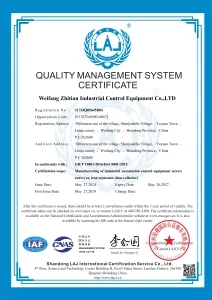
ISO 9000 Quality Management System Certified
Service & Support
Pre-sales: Free material testing, engineering calculations, and site assessment
Installation & Commissioning: On-site technical guidance until stable operation is achieved
Training: Comprehensive operator and maintenance training
Warranty: 12 months standard (extended options available)
Spare Parts: Common wear parts in stock, emergency dispatch within 24 hours
Remote Service: Optional GPRS module for remote diagnostics, tuning, and firmware updates
Response Time: 2-hour response, 48-hour on-site arrival (major domestic regions)
After-Sales Service & Warranty
| Service Item | Commitment |
|---|---|
| Warranty Period | 12 months from commissioning (or 18 months from shipment, whichever comes first) |
| Response Time | Remote diagnosis within 1 hours (business hours) |
| On-site Service | Available within 24 hours (subject to location) |
| Spare Parts Availability | Guaranteed for 1 years after model discontinuation |
| Remote Support | RS485,DCS enables real-time diagnostic and calibration support |
Delivery & Logistics:
| Parameter | Specification | Note |
|---|---|---|
| Standard Model (rotor diameter ≤ 1000mm) | 1 – 2weeks | Stock components available |
| Standard Model (rotor diameter ≥ 1100mm) | 2 – 4 weeks | Subject to order confirmation |
| Custom-Engineered Model | 1 – 2 weeks | Special flange / coating / high-temp version |
| Spare Parts (wear parts) | 3 – 5 business days | Subject to stock availability |
| Expedited Shipping | Available upon request | Additional cost applies |
| Lead Time Start Point | Order confirmation + technical drawing approval | Excluding shipping time |
| Port of Loading | Qingdao/ Shanghai (China) | Alternate ports upon request |
| Standard Incoterms | FOB / CIF / EXW | Buyer's option |