


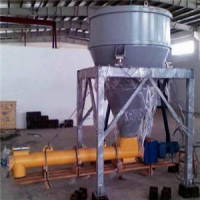
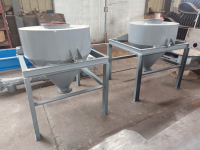
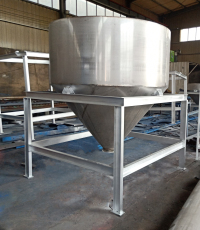
Metering Systems For Solids
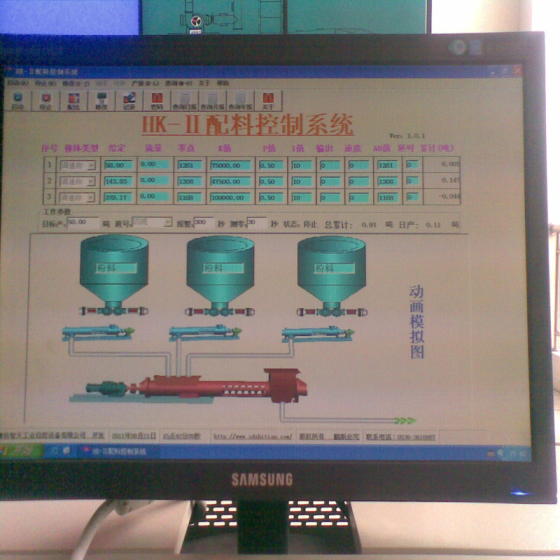
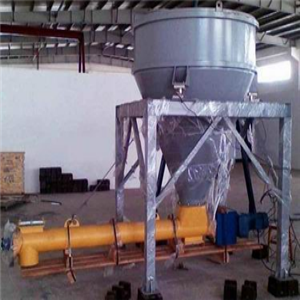
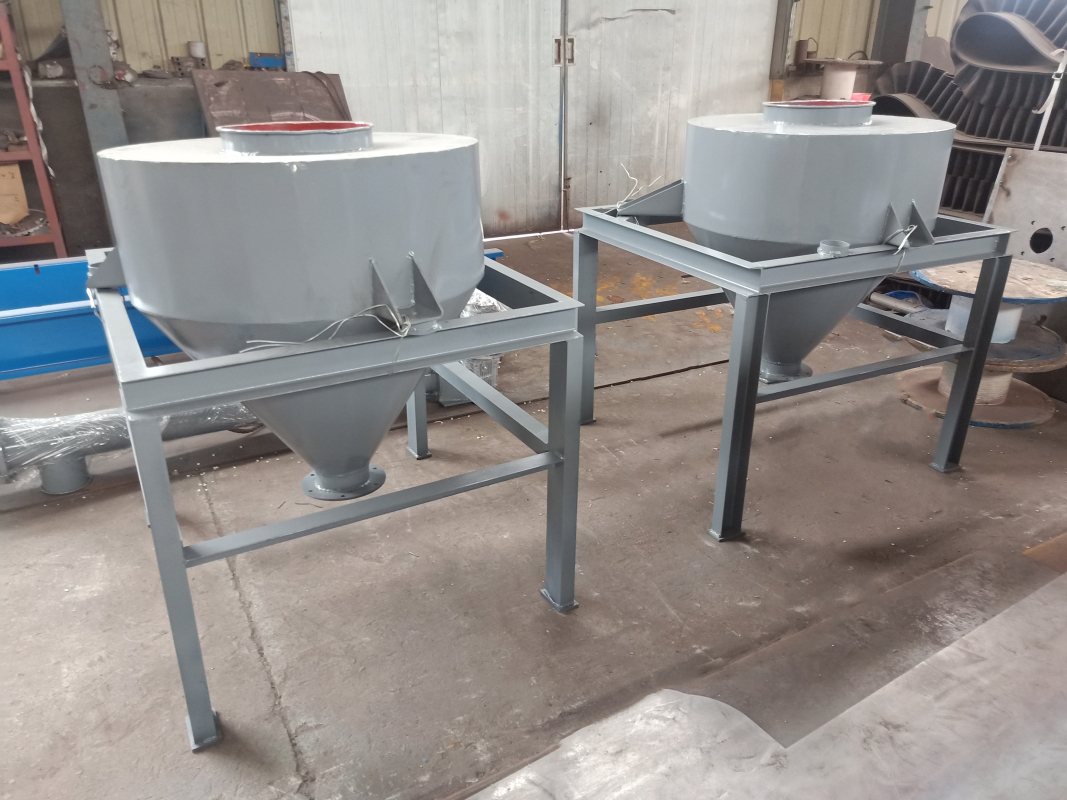
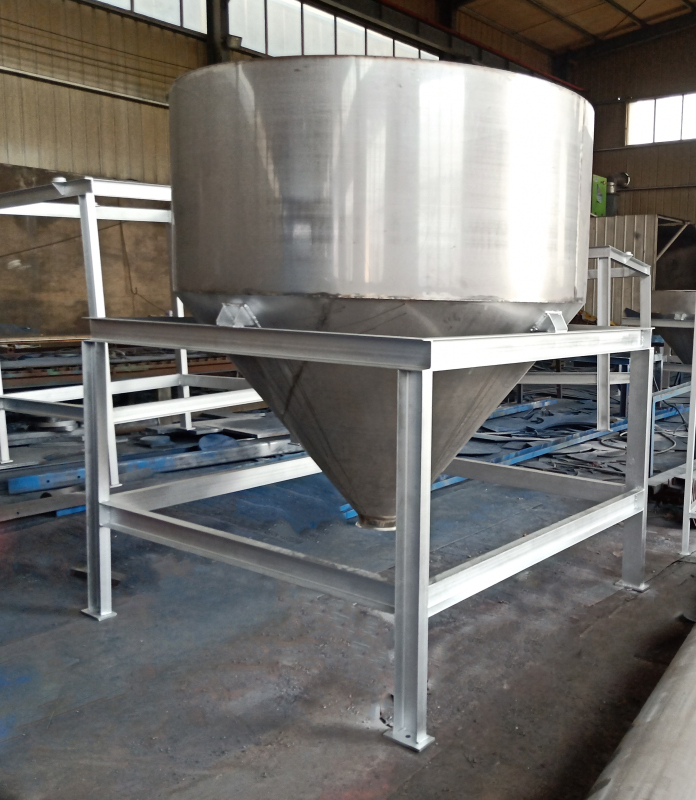
The lost weight scale is a weighing device that intermittently feeds materials while continuously discharging them. Since weight loss control occurs within the hopper, it achieves higher precision and easier sealing, representing a significant improvement over screw scales in controlling fine powders like cement, lime powder, and coal powder. It is suitable for precise batching of micro-materials.
- Zhitian
- Shandong
- 3-5days
- 1000PCS
- Information
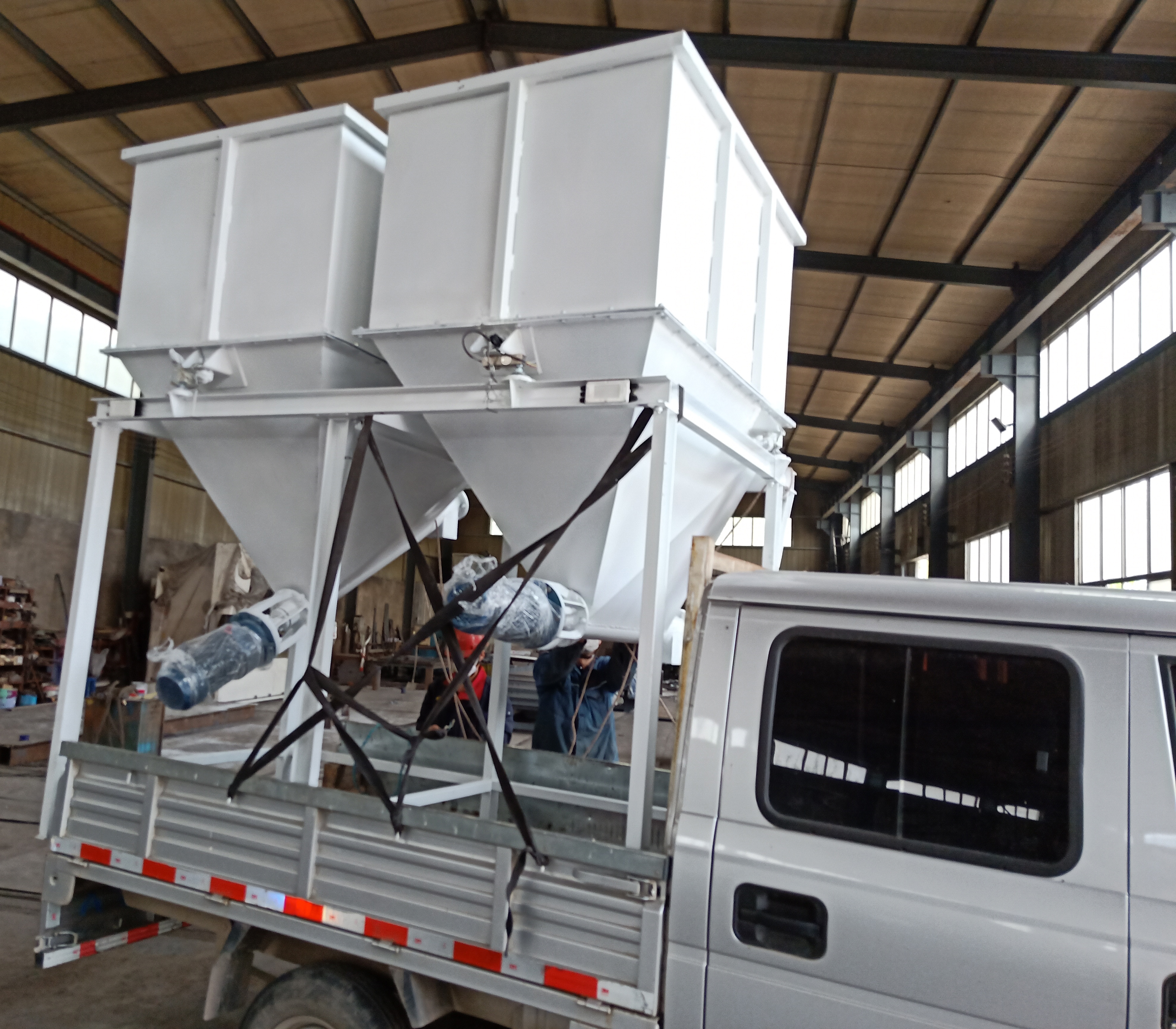
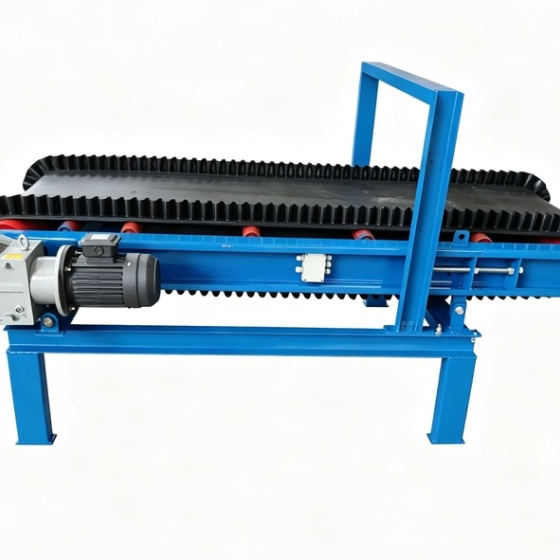
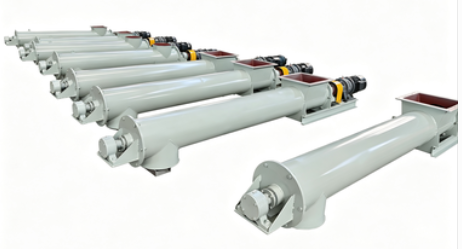
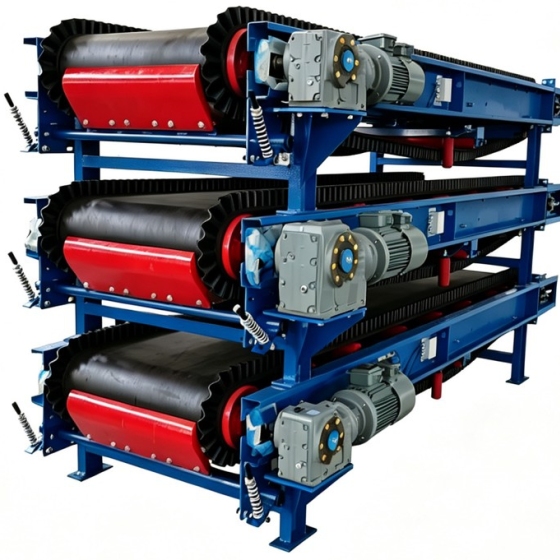
The lost weight scale is a weighing device that intermittently feeds materials while continuously discharging them. Since weight loss control occurs within the hopper, it achieves higher precision and easier sealing, representing a significant improvement over screw scales in controlling fine powders like cement, lime powder, and coal powder. It is suitable for precise batching of micro-materials. Composition of the Lost Weight Scale Batching System The system consists of a weighing hopper, feeders (screw feeders, electro-vibrators, or belts), measuring instruments, electrical control components, and computer monitoring systems. Working Principle The system controls the discharge screw or electro-vibrator based on the material weight loss rate in the hopper to achieve precise batching. When the hopper reaches the lower weighing limit, the discharge screw maintains a fixed output rate while rapidly transferring material from the hopper into the weighing hopper. Loading stops when reaching the upper limit, with rapid loading shortening feeding time and improving weighing accuracy. Product Description The system measures complete feeding units (hoppers, feeders, and bulk materials) using static scales, while controlling bulk material discharge flow through variable-speed motors or electro-vibrators. Materials discharged through screws, vibrating tubes, or troughs are compared against preset "lost weight" values (measured in dv/dt) and required feed rates. The controller generates correction signals based on discrepancies between actual and expected flow rates, automatically adjusting feeding speed to maintain precise quantities without process lag. When the measured weight in the hopper reaches the low material level (triggering refilling), the controller initiates volumetric feeding control for the feeding system, enabling rapid hopper refilling (manual or automatic) and reactivating the weight loss controller. While the batch weighing weight loss system shares similar design principles with continuous weight loss systems, its feeding cycle's final weight accuracy surpasses actual feeding quantity control. The controller first provides high-feeding signals to the variable-speed drive for rapid feeding, then switches to low-feeding control signals to ensure precise control at batch completion.
Founded: 2011
Facility Area: 10,000 m²
Annual Output Value: Over 20 million RMB
Team Size: 45 employees
Senior Engineers: 4
Professional Engineers: 15
Product Portfolio: 30+ series, 200+ models
Certifications & Compliance
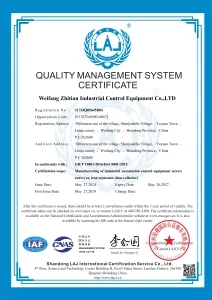
ISO 9000 Quality Management System Certified
Service & Support
Pre-sales: Free material testing, engineering calculations, and site assessment
Installation & Commissioning: On-site technical guidance until stable operation is achieved
Training: Comprehensive operator and maintenance training
Warranty: 12 months standard (extended options available)
Spare Parts: Common wear parts in stock, emergency dispatch within 24 hours
Remote Service: Optional GPRS module for remote diagnostics, tuning, and firmware updates
Response Time: 2-hour response, 48-hour on-site arrival (major domestic regions)
After-Sales Service & Warranty
| Service Item | Commitment |
|---|---|
| Warranty Period | 12 months from commissioning (or 18 months from shipment, whichever comes first) |
| Response Time | Remote diagnosis within 1 hours (business hours) |
| On-site Service | Available within 24 hours (subject to location) |
| Spare Parts Availability | Guaranteed for 1 years after model discontinuation |
| Remote Support | RS485,DCS enables real-time diagnostic and calibration support |
Delivery & Logistics:
| Parameter | Specification | Note |
|---|---|---|
| Standard Model (rotor diameter ≤ 1000mm) | 1 – 2weeks | Stock components available |
| Standard Model (rotor diameter ≥ 1100mm) | 2 – 4 weeks | Subject to order confirmation |
| Custom-Engineered Model | 1 – 2 weeks | Special flange / coating / high-temp version |
| Spare Parts (wear parts) | 3 – 5 business days | Subject to stock availability |
| Expedited Shipping | Available upon request | Additional cost applies |
| Lead Time Start Point | Order confirmation + technical drawing approval | Excluding shipping time |
| Port of Loading | Qingdao/ Shanghai (China) | Alternate ports upon request |
| Standard Incoterms | FOB / CIF / EXW | Buyer's option |
FAQ – Quick Answers to Common Questions
Q1: Can it handle high-temperature materials?
A: Standard model up to 80°C.
Q2: What if my material is slightly sticky or moist?
A: Our variable-pitch airlock handles up to 20% moisture for most powders. For sticky materials, we recommend an optional internal coating or polishing treatment.
Q3: How is calibration performed on-site?
A: You can perform online material calibration (preferred), or use span check with a known weight. Remote calibration is also supported without an on-site visit.
Q4: Do you provide installation and commissioning?
A: Yes. We offer supervision service — our engineer will guide your team through installation, startup, and performance testing .
Q5: What if I need a custom capacity or flange size?
A: We provide custom engineering for rotor diameter, inlet/outlet connections, and motor options — just specify your requirements in the inquiry.