


- Home
- >
- News
- >
- What Is a Belt Feeder?
- >
What Is a Belt Feeder?
2026-09-14 16:40A belt feeder is a mechanical feeding device designed to move bulk materials from a hopper, bin, or storage system to the next stage of a production process. Unlike a standard belt conveyor, a belt feeder is mainly used to control the flow of material discharged from a storage point.
Belt feeders are commonly found in mining, cement, coal, metallurgy, power generation, chemical processing, fertilizer production, aggregate plants, and other industries where bulk materials need to be delivered at a controlled and stable rate.
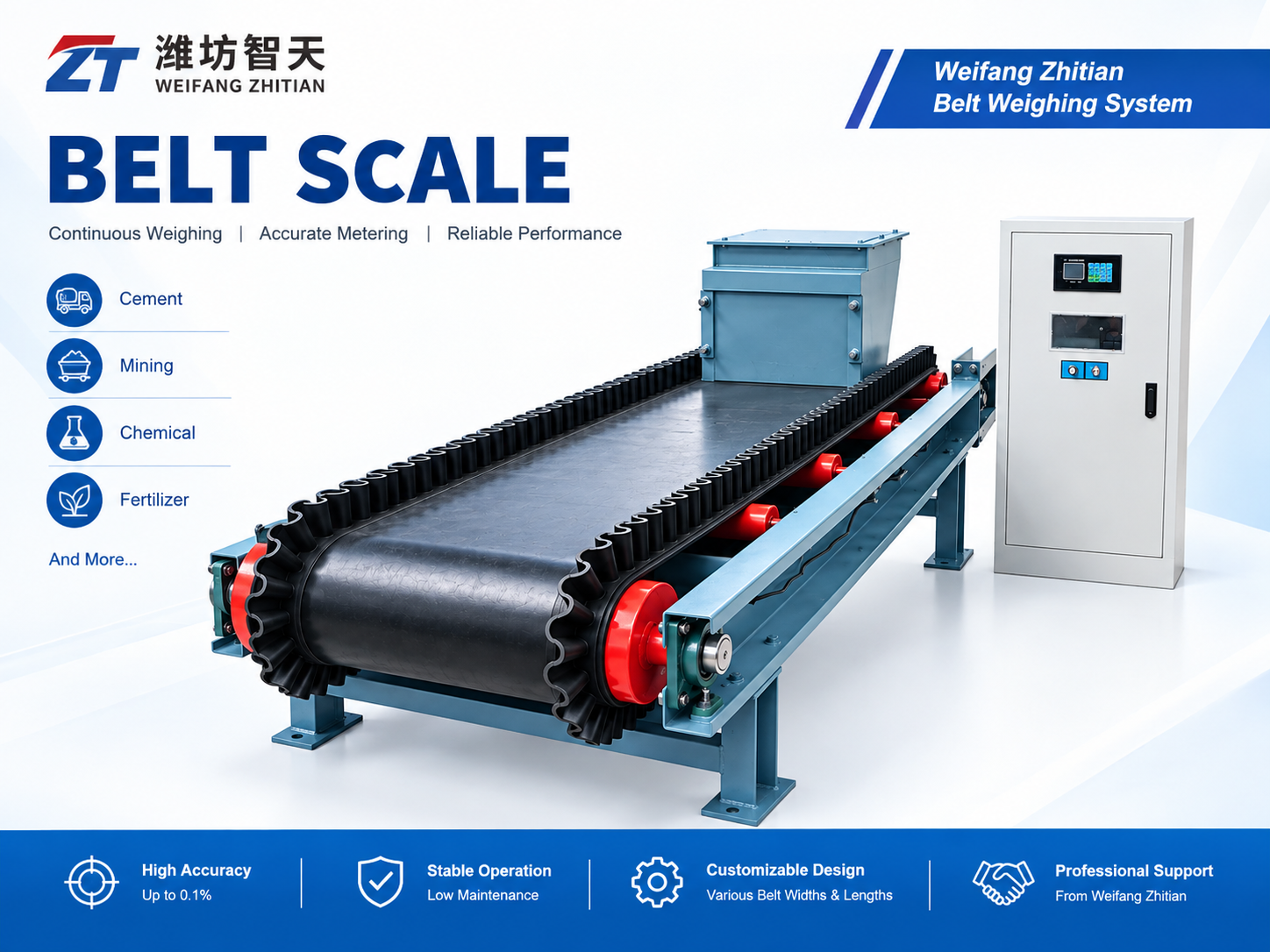
The basic structure is relatively simple. A belt runs continuously over pulleys and supporting components, while a drive motor provides the required belt speed. Material falls onto the belt from the hopper or feeder inlet and is discharged at the outlet. By adjusting the belt speed, the material flow can be controlled according to the requirements of the production line.
How Does a Belt Feeder Work?
The working principle of a belt feeder is based on controlled belt movement. Bulk material stored above the feeder is released through a hopper opening and loaded onto the moving belt.
The drive system rotates the head pulley, causing the belt to move at a selected speed. Material is carried forward and discharged continuously at the required point.
The feeding rate depends on several factors, including belt speed, material bulk density, hopper opening, material depth, and belt width. For applications requiring accurate material measurement, weighing components and a control system can also be integrated into the feeder.
A properly designed belt feeder provides a stable material flow even when the material level in the storage hopper changes during operation.
Belt Feeder vs. Belt Conveyor
Although a belt feeder and belt conveyor use similar belt technology, the two machines serve different purposes.
A belt conveyor is mainly designed for transporting materials over a certain distance. A belt feeder is installed primarily for controlled extraction and feeding from a hopper, silo, bin, or stockpile.
A belt feeder normally operates under a material load at the inlet. The feeder must be capable of starting and operating while material is already sitting on the belt. For this reason, the drive system, belt construction, supporting structure, and inlet arrangement are designed differently from those of many conventional conveyors.
In a complete bulk handling system, the two machines can work together. A belt feeder controls the material leaving the storage system, while a belt conveyor transports the material to another processing area.
Main Components of a Belt Feeder
A typical belt feeder consists of several key components:
Feeding Belt
The belt carries bulk material from the inlet to the discharge point. Belt specifications are selected according to material characteristics, capacity, temperature, and operating conditions.
Drive System
The motor and reducer provide the torque required to move the loaded belt. Variable-frequency drive control can be used when different feeding rates are required.
Head Pulley and Tail Pulley
The pulleys guide and drive the belt. Their dimensions and configuration are selected according to belt width and operating requirements.
Supporting Rollers or Bed
The supporting structure keeps the belt stable during operation and helps maintain the correct belt shape under load.
Hopper or Chute
The hopper connects the storage system with the feeder. Proper inlet design is important because material pressure and loading conditions can have a significant effect on feeder performance.
Control System
The control system can regulate belt speed, start and stop operation, and coordinate the feeder with other equipment. PLC, DCS, or local control systems can be used depending on the project.
Why Use a Belt Feeder?
One of the main advantages of a belt feeder is controlled material extraction. Instead of allowing material to leave a hopper freely, the feeder provides a more predictable and adjustable discharge rate.
A belt feeder can also handle a wide range of bulk materials. Depending on the design, applications can include limestone, coal, clinker, ore, slag, fertilizer, aggregates, and other granular or lumpy materials.
Another advantage is the ability to adjust feeding capacity. Variable-speed operation allows the feeder to match the requirements of crushers, mills, screens, mixers, conveyors, and other downstream equipment.
For large-volume material handling systems, a properly selected belt feeder can also help reduce material surges and improve the stability of the entire production line.
Belt Feeder for Heavy-Duty Applications
Heavy-duty belt feeders are widely used in mining, quarrying, cement plants, and aggregate processing. These applications often involve abrasive materials, large lumps, high material pressure, and continuous operation.
The feeder structure needs to withstand the load generated by the storage hopper. The belt, rollers, pulley, bearings, and drive unit must also be selected according to the actual working conditions.
For abrasive materials such as ore and limestone, wear-resistant components can be used to extend service life. For high-capacity applications, a wider belt and stronger drive system may be required.
The feeder design should always be based on the actual material and process conditions rather than capacity alone.
Belt Feeder with Variable Speed Control
Variable-speed control is useful when the production process requires different feeding rates. A frequency converter can adjust the motor speed, allowing the belt feeder to operate according to changing production requirements.
For example, a crushing plant may require a higher feeding rate during normal operation and a lower rate during equipment adjustment. The belt feeder can respond to these changes without requiring mechanical modification.
When connected with a PLC or DCS system, the feeder can also be incorporated into an automated material handling process.
Belt Feeder Applications
Belt feeders are suitable for many bulk material handling applications, including:
Mining and mineral processing
Cement and building materials
Coal handling
Metallurgy
Fertilizer production
Chemical processing
Power plants
Aggregate and quarry plants
Grain and bulk solids handling
Industrial raw material feeding
The equipment can be configured for horizontal or inclined installation depending on the layout of the production line.
How to Select the Right Belt Feeder?
Choosing a belt feeder requires more than simply selecting a machine based on belt width. Several operating parameters should be considered.
Material characteristics:
Material density, particle size, moisture content, abrasiveness, and flowability all affect feeder design.
Required capacity:
The maximum and minimum feeding rates should be confirmed before selecting the belt and drive system.
Hopper dimensions:
The outlet size and material pressure above the feeder directly affect the inlet design.
Belt width and speed:
These parameters determine the practical feeding capacity and should be matched to the material properties.
Installation conditions:
Available space, inclination, discharge height, and connection with upstream and downstream equipment should be considered.
Control requirements:
If the feeder needs to communicate with a PLC, DCS, or centralized control system, the control configuration should be determined during the design stage.
Belt Feeder from Weifang Zhitian
Weifang Zhitian provides belt feeding and bulk material handling equipment for industrial applications. Belt feeder configurations can be selected according to material type, feeding capacity, installation conditions, and automation requirements.
For projects involving mining materials, limestone, coal, clinker, ore, slag, fertilizer, or other bulk solids, the belt feeder can be designed as part of a complete feeding and conveying system.
The combination of mechanical feeding, variable-speed control, and optional weighing technology makes the equipment suitable for applications where stable material flow is important.
If accurate continuous measurement is also required, a belt weigh feeder can be considered. A belt weigh feeder combines controlled feeding with dynamic weighing, allowing material flow and cumulative throughput to be monitored during operation.
Conclusion
So, what is a belt feeder? A belt feeder is a controlled bulk material feeding machine that uses a moving belt to extract and deliver material from a hopper, bin, silo, or stockpile.
Compared with a conventional belt conveyor, the main purpose of a belt feeder is not simply transportation but controlled material discharge. With the right belt width, drive system, inlet design, and speed control, a belt feeder can provide stable and reliable feeding for demanding industrial processes.
For different materials and production capacities, the feeder should be designed according to actual operating conditions. This approach helps achieve reliable operation, consistent material flow, and better integration with the complete bulk material handling system.