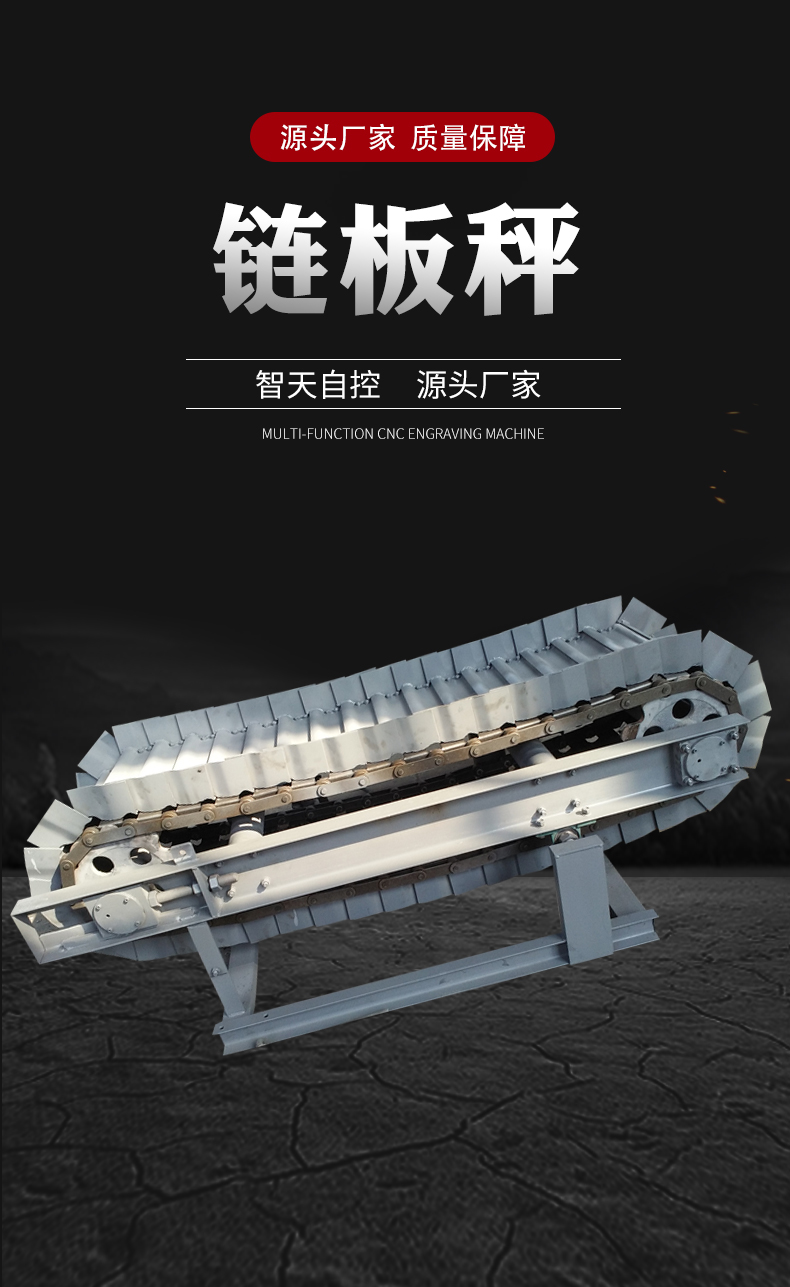



chain plate quantitive feede
2026-07-22 16:53I. Product Overview
The chain plate quantitive feeder is mainly used for the conveying and metering of powdery and small granular materials industries such as building materials and mining. The machine has a reasonable structure, using a chain to drive the chain plate to move and convey materials. It features advantages such as large conveying, low power consumption, low wear, wide conveying range, reliable operation, and accurate metering. To meet the needs of customers and process layouts, the drive device is available in left-hand and-hand mounting versions, and the length of the conveyor can be customized according to customer requirements.
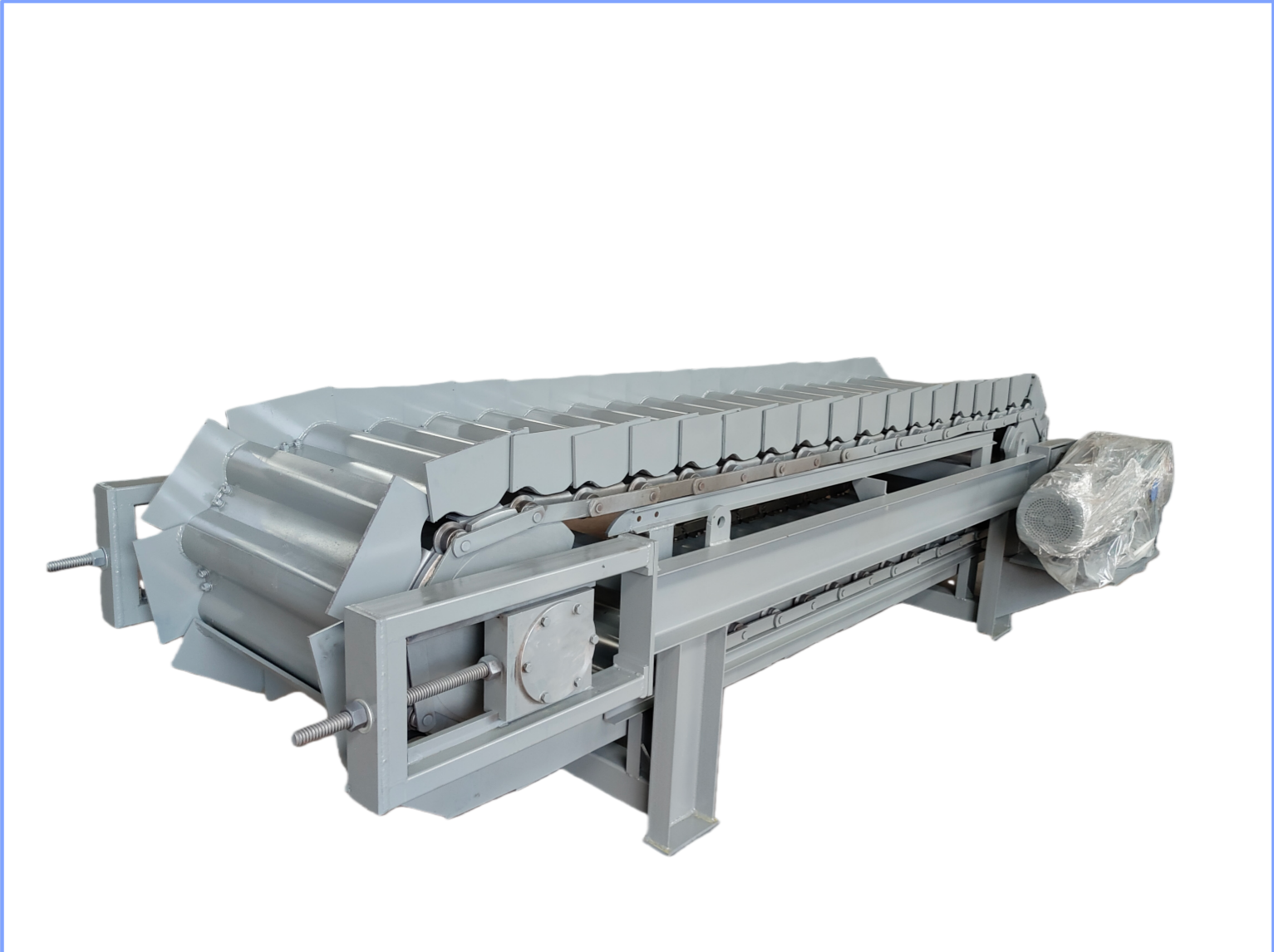
II. Structure: The chain plate quantitive feeder mainly consists of a drive part, metering part, a machine frame, main and driven shafts, chain plates, and chains;
1. The drive part includes a motor, reducer, sprocket, and chain;
. The metering part consists of a sensor and a metering frame, ensuring the feeder conveys materials as required;
3. The main and driven shaft assembly consists of the main and driven, sprockets, bearing housings, and bearings;
4. Different parameters are selected for the chain plates and chains according to different requirements;
5. The machine frame is from profiles;
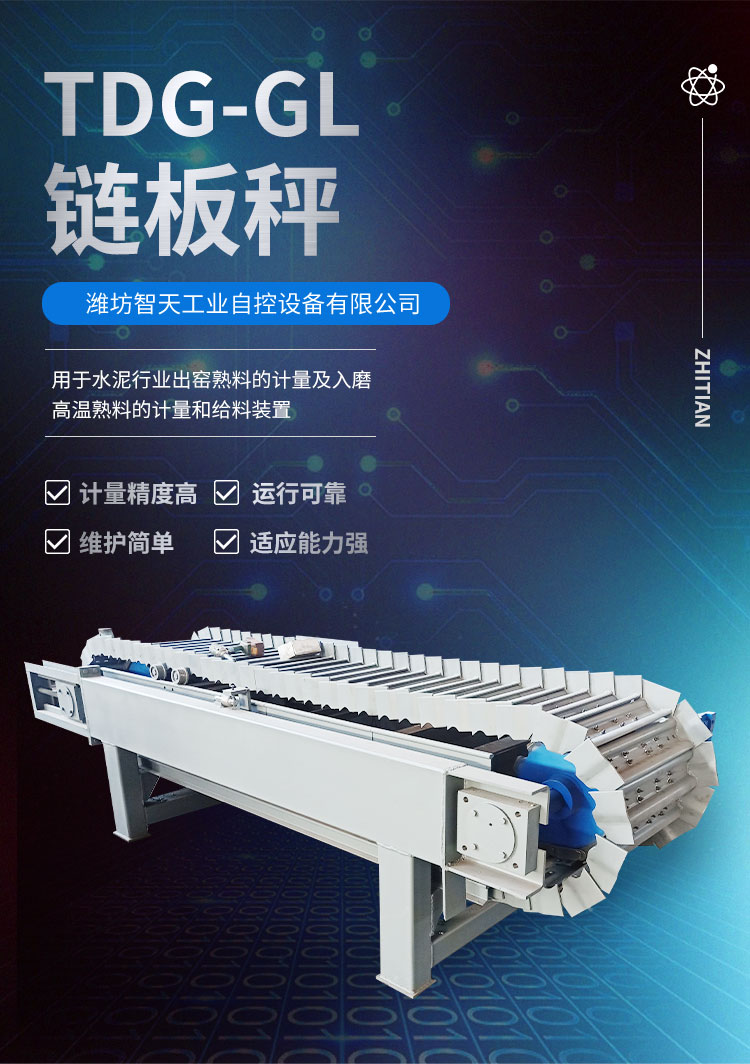
III. Working Principle
The motor, reducer, sprocket, and chain drive the rotation of the driving shaft. The sprocket mounted on the driving shaft rotates together with, thereby driving the chain and chain plate to rotate together. As the chain plate and chain rotate, the material is carried from the feeding end to the discharge end, achieving the purpose of conveying. During the movement process, when the material passes through the metering frame, its weight is pressed onto the metering frame, which then acts on the two load cells. The sensors signals to complete the metering of the material;
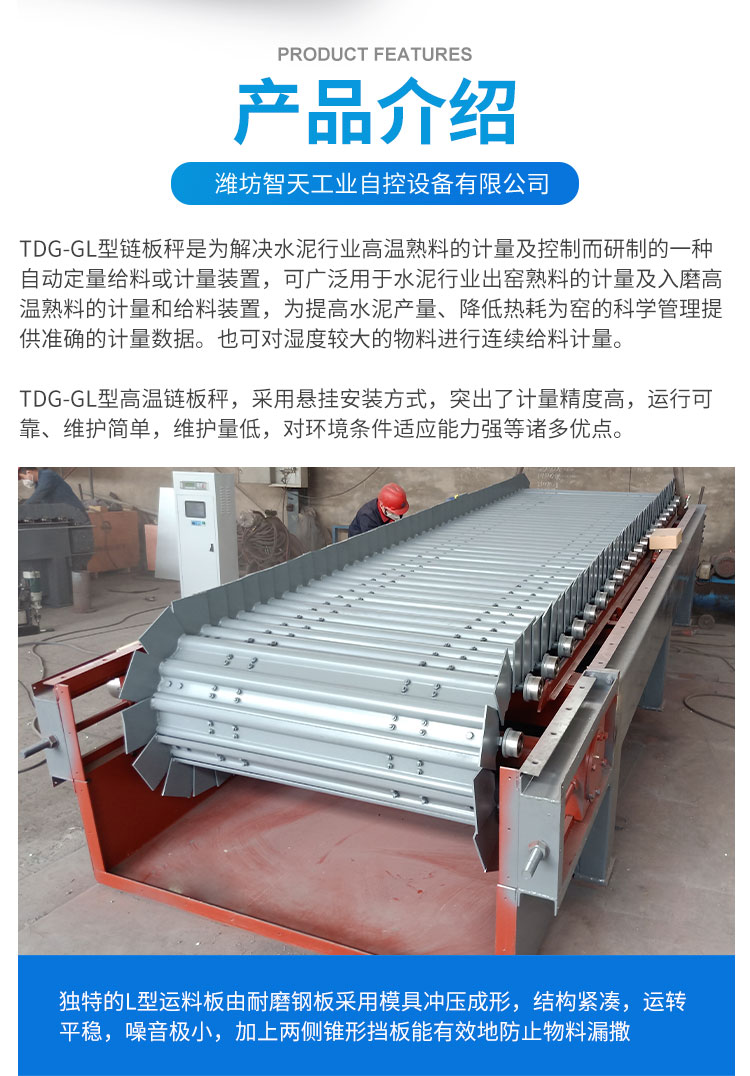
IV. Installation and Trial Run
1. Installation: The entire machine should operate horizontally. The four corners must be leveled and not, otherwise it will affect normal operation and reduce the service life.
2. Trial Run: After the entire machine is installed, a comprehensive inspection should be conducted, foreign objects fallen the machine casing should be removed, and bolts in all parts should be tightened. The reducer and gearbox should be filled with sufficient lubricating grease according to regulations. First, jog the motor If there is no abnormal operation, jamming, or strong vibration, the motor can be started for an empty run. The empty run time should be no less than 2 hours