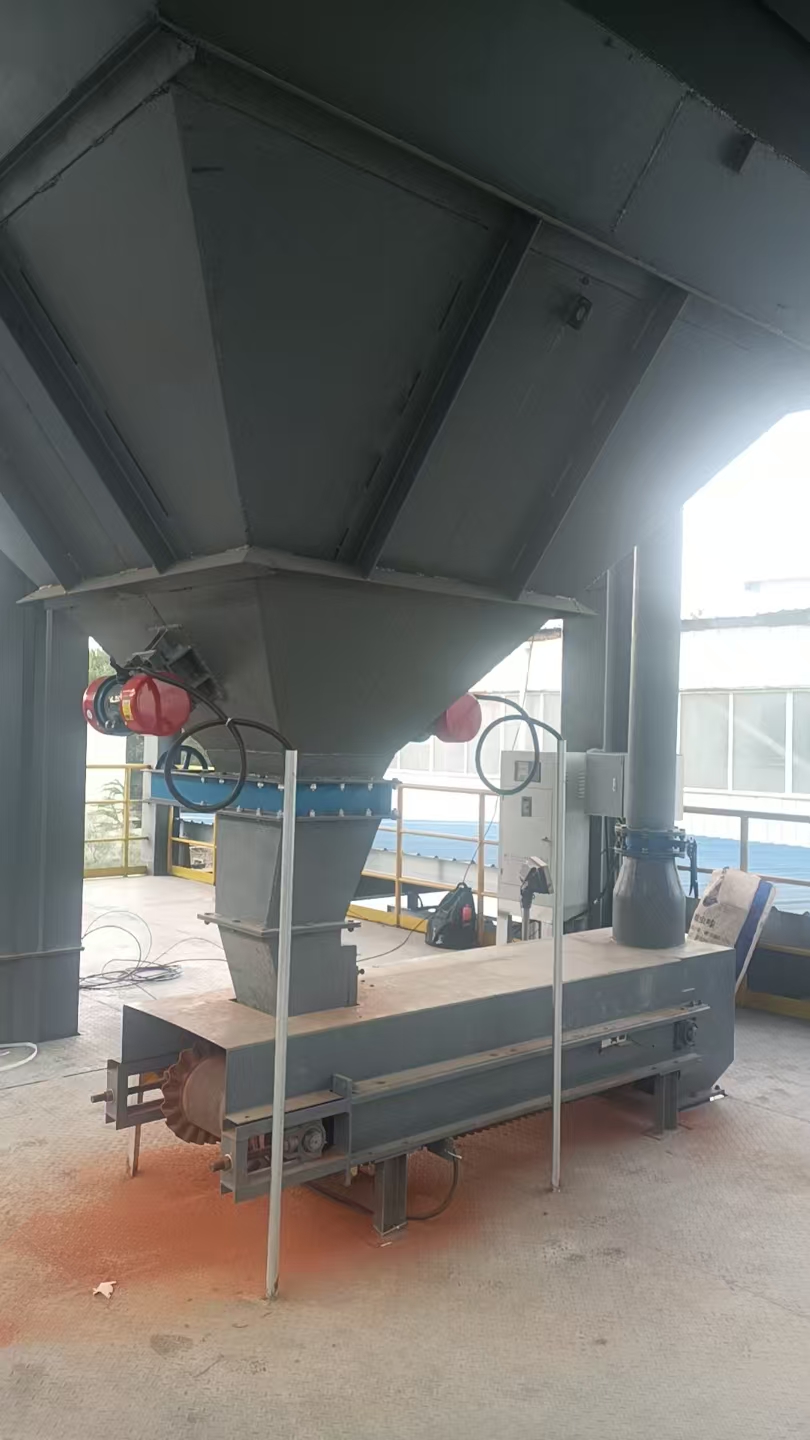



What are the main application industries of belt scales?
2026-08-13 15:58Weifang Zhitian's belt scales are mainly used for continuous metering and production process control of bulk materials. Belt scales are used almost wherever materials are transported via conveyor belts.
The main application industries can be divided into the following major areas:
1. Mining and Quarrying This is the industry where Zhitian's belt scales are most widely used and operate in the harshest environments.
Main materials: Coal, iron ore, copper ore, sand and gravel aggregates, gold ore, etc.
Application scenarios: Calculating total mining output, monitoring the output rate of each beneficiation section, and quantitative control of loading (train/truck). We use a dedicated ZTJL-3106 metering instrument. Belt width: 500-2000 mm; metering accuracy: ±0.5-1%; flow rate range: 0-1000 tons/hour.
2. Power Industry The use of conveyor belt weight scales is mainly concentrated in thermal power plants.
Main materials: Coal, raw coal.
Weigh belt conveyor applications: 1. Metering of incoming coal (usually related to trade settlement), real-time monitoring and combustion control of coal input to boilers (coal blending system).
2. Metallurgy and Steel: Long-process steel plants have extremely high requirements for the proportioning of various raw materials.
Main materials: Iron ore powder, coke, limestone, sinter.
Applications: Blast furnace charge car batching, continuous quantitative feeding control of sintering batching systems.
3. Building Materials & Cement: Cement production is a continuous chemical and physical processing line.
Main materials: Limestone, clinker, gypsum, fly ash, sandstone.
Applications: Raw material batching control, clinker output metering, total quantity statistics before finished cement packaging.
4. Chemicals & Fertilizers: Main materials: Sulfur, phosphate rock, salt, various granular or powdered fertilizers.
Application scenarios: Raw material proportioning, finished product output measurement, and usually have high requirements for corrosion resistance.