


- Home
- >
News
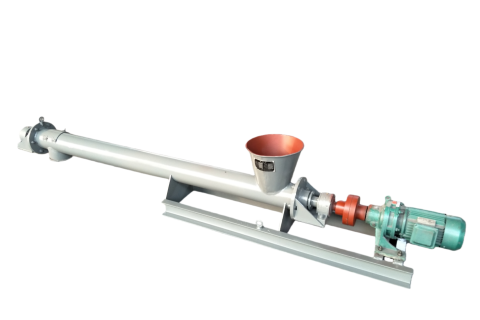
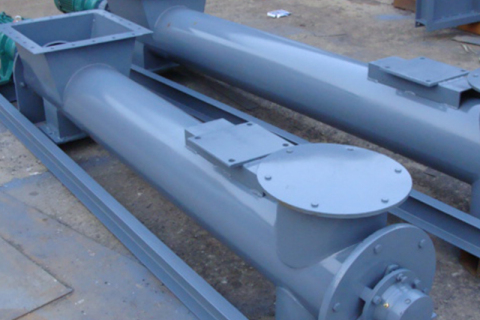
The material is transported from the inlet to the outlet via a conveyor. An electronic weighing device (consisting of weighing levers, load cells, etc.) installed below the screw conveyor detects the weight of the material and generates a voltage signal proportional the load on the weighing lever, which is sent to a dynamic weighing meter. Simultaneously, a speed sensor installed at the tail of the screw conveyor inputs the speed signal of the conveyor' main shaft. The weight signal and speed signal are sent together to the controller for calculation, yielding the instantaneous flow rate and cumulative weight value. The control system outputs control signals through PID to dynamically adjust the speed of the feeding equipment, thereby achieving quantitative feeding and keeping the actual feeding flow rate stable near the set value.
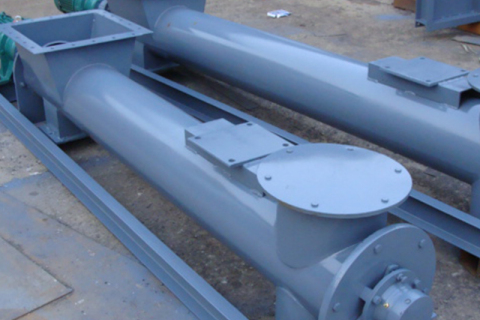
Screw metering scales are divided into single-tube single-layer and double-layer types. The single-tube singlelayer type completes metering and conveying simultaneously, while the double-layer structure uses the upper layer for flow stabilization and conveying, and the lower layer for metering and conveying, offering better flow and saving space.
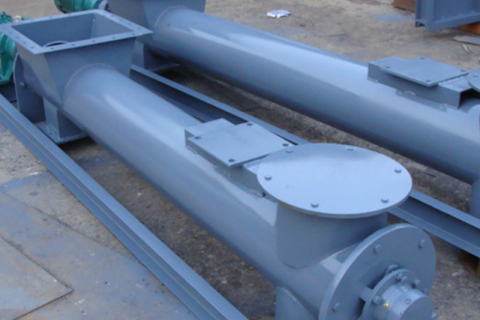
A screw metering scale is an industrial device used for the continuous conveying and dynamic metering of powder and granular materials. By combining a conveyor with weighing sensors and a control system, it achieves precise material feeding and flow control, and is widely used in industries such as cement, chemical, food, and metallurgy. Its standards refer to internationally recognized dynamic metering specifications, and some high-end models follow strict load and calibration requirements for installation and maintenance.
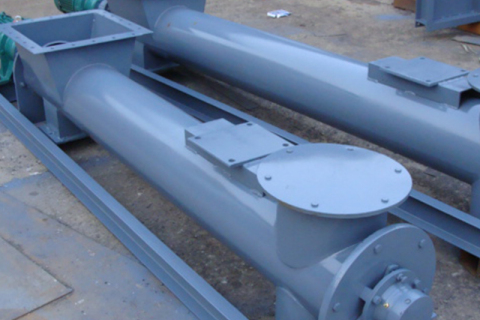
Screw Metering Scale (also commonly known as screw scale, screw weighing feeder, or auger scale) is an industrial continuous metering device that integrates powder/small particle material conveying, dynamic weighing and metering, and automatic quantitative batching.