



What is a conveyor screw?
2026-10-19 15:06The main purpose of a screw feeder is to convey and control the feeding rate of bulk materials from a hopper, silo, or storage bin to downstream equipment. A rotating screw inside a trough or tube moves materials forward, providing continuous and controlled feeding.
Main Functions of a Screw Feeder
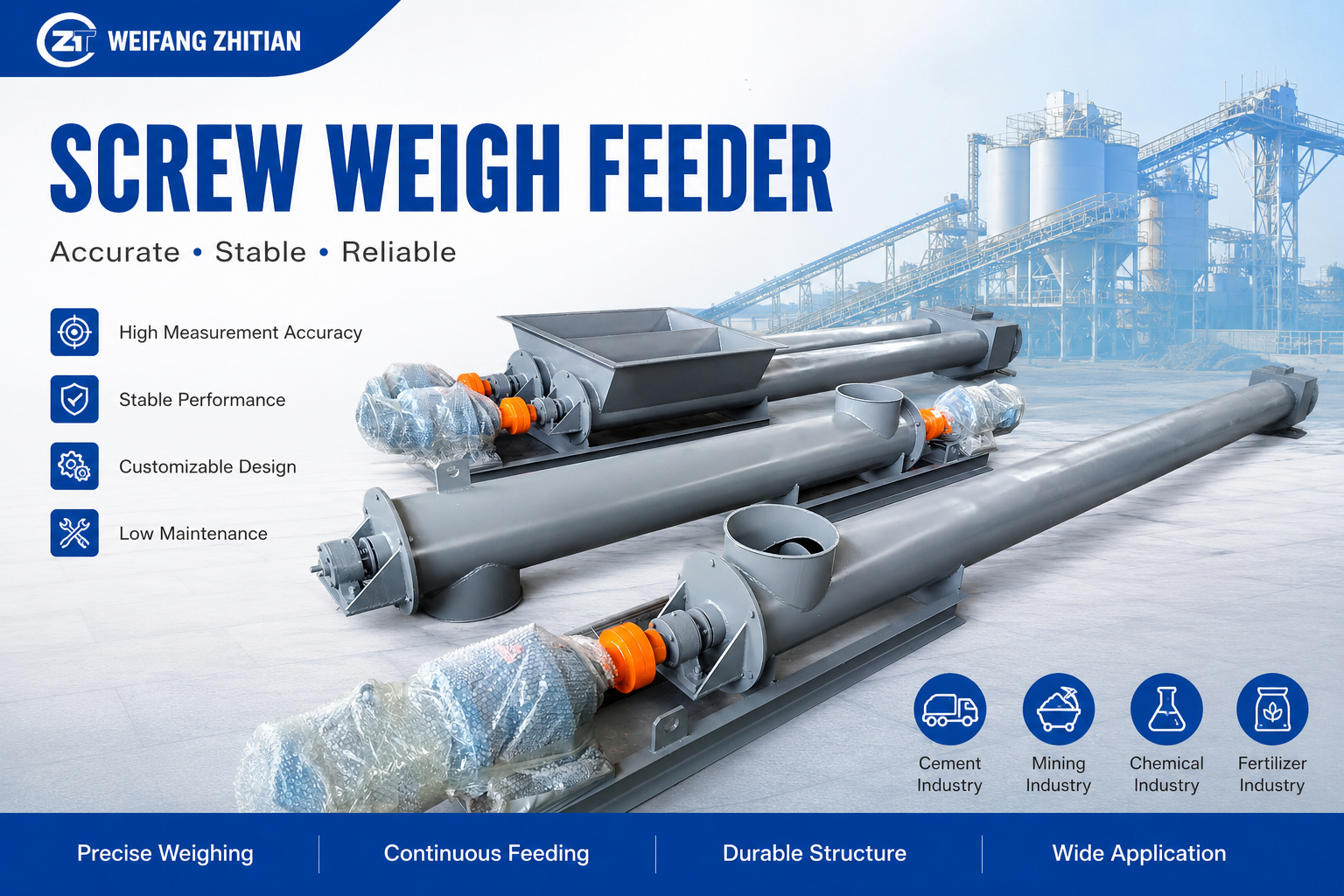
1. Controlled Material Feeding
Delivers powders, granules, and other bulk materials at a steady, adjustable rate.
2. Accurate Dosing
Works with a variable-frequency drive or weighing system to regulate the material flow rate.
3. Continuous Conveying
Transfers materials between production processes, such as from a silo to a mixer, crusher, or packaging machine.
4. Dust-Controlled Handling
An enclosed screw feeder helps reduce dust emissions and material spillage.
How Does a Screw Feeder Work?
A motor drives a rotating screw shaft with helical blades. As the screw rotates, the blades push material along the trough or tube toward the discharge outlet. The feeding rate can be adjusted by changing the screw speed, depending on the material properties and equipment design.
Typical Applications
Cement Industry
Feeding cement, raw meal, and mineral powder.

Chemical Industry
Feeding chemical powders and granules.
Fertilizer Industry
Controlling the feeding of fertilizer materials.
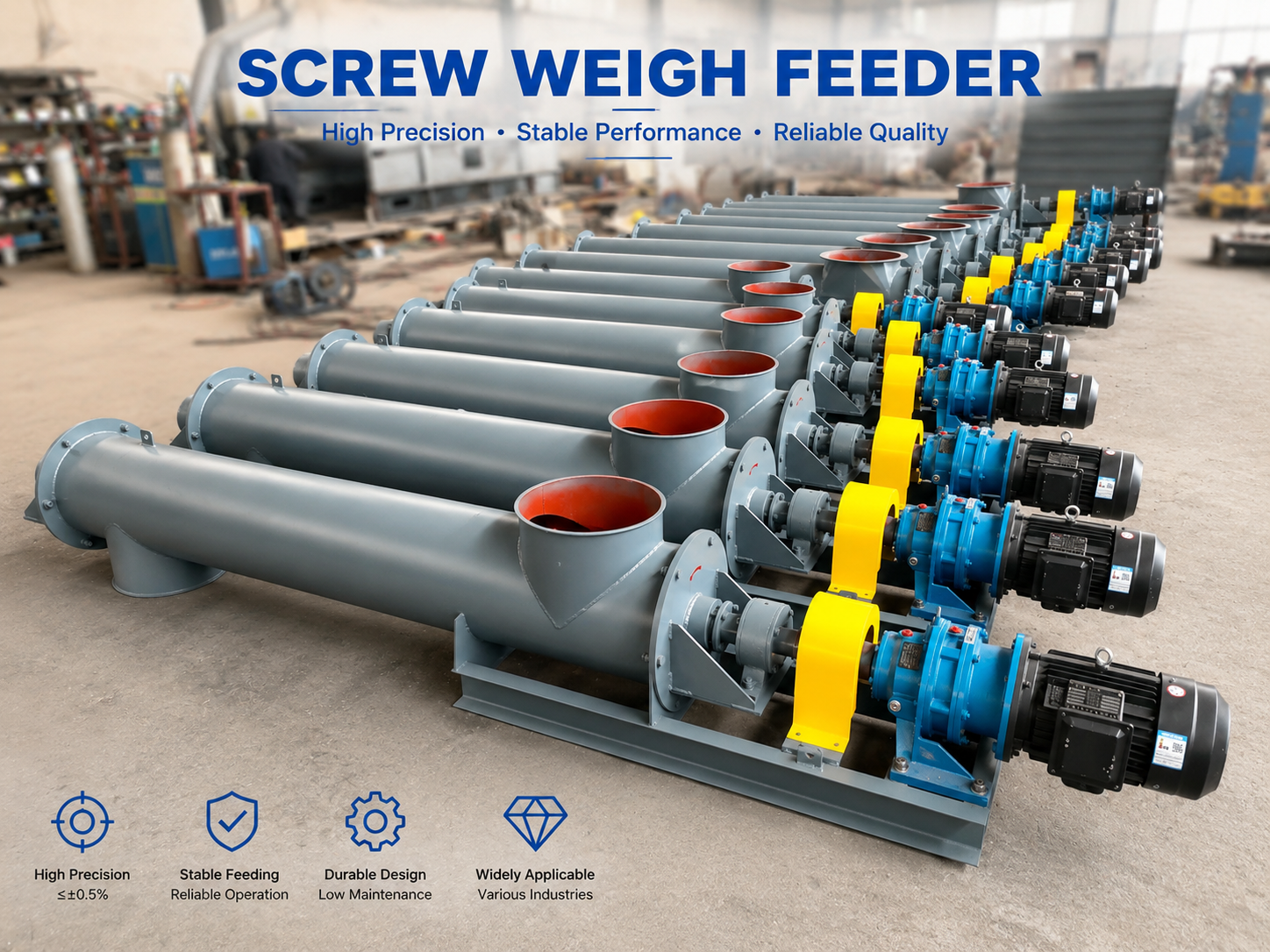
Power and Mining
Handling fly ash, coal powder, and mineral materials.
In summary: A screw feeder is designed to provide reliable, continuous, and controllable material feeding. When combined with a weighing system, a weighing screw feeder can also measure material throughput and regulate feeding according to a target flow rate.