


Weigh feeder Working Principle
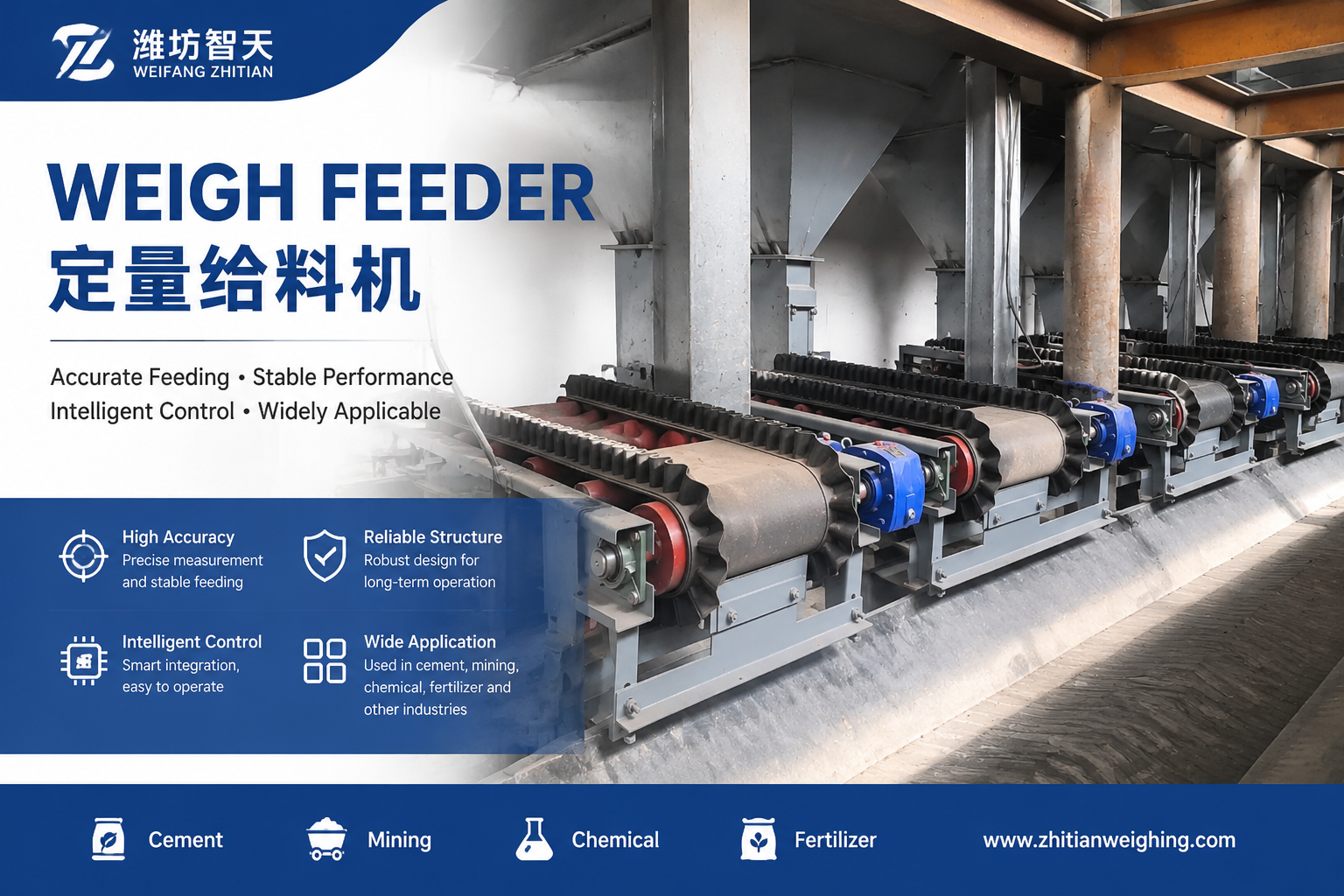
2026-11-04 15:50A Weigh Feeder is an industrial feeding and weighing system designed to continuously measure, control, and transport bulk materials at a preset feeding rate. The equipment combines material conveying, dynamic weighing, and automatic flow control in one integrated system. It is widely used in cement, mining, metallurgy, chemical, fertilizer, coal, and power generation industries.
1. Working Principle of Weigh Feeder
The working principle of a weigh feeder is based on the combination of material weight measurement and belt speed measurement. By continuously detecting the material load and conveying speed, the system calculates the actual material flow rate and automatically adjusts the feeding speed to maintain the required output.
The working process includes the following steps:
Step 1: Material Feeding
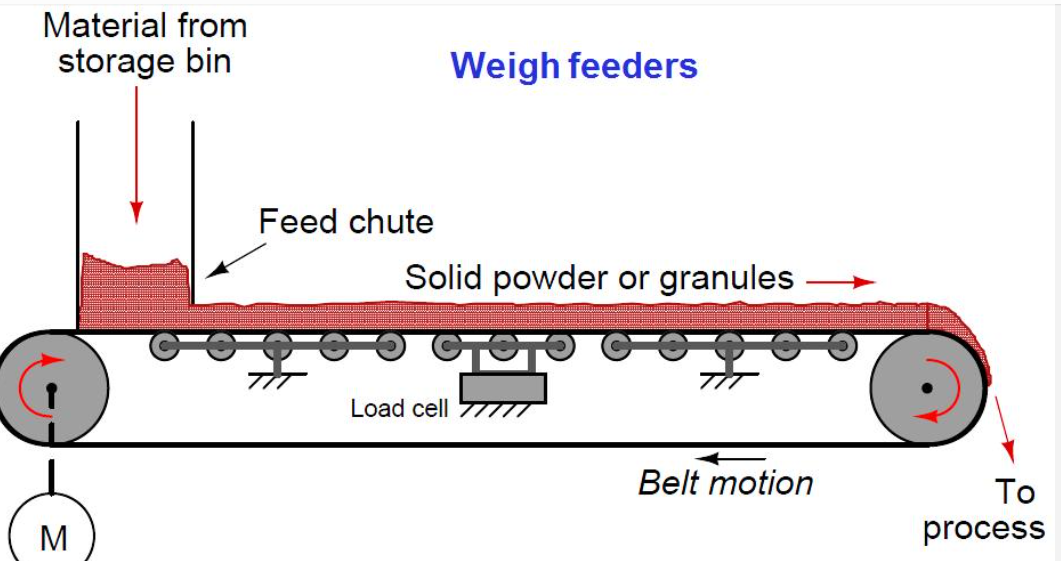
Bulk materials enter the weigh feeder through a feeding hopper or upstream conveying equipment. The material is evenly distributed onto the conveyor belt or feeding mechanism.
Step 2: Dynamic Weight Measurement
As the material passes through the weighing section, load cells detect the weight of the material on the conveyor belt. The weighing sensor continuously sends weight signals to the weighing controller.
Step 3: Belt Speed Measurement
A speed sensor or encoder measures the actual operating speed of the conveyor belt. The speed signal is transmitted to the control system.
Step 4: Flow Rate Calculation
The weighing controller combines the material load signal and belt speed signal to calculate the instantaneous feeding rate.
Step 5: Automatic Flow Control
The controller compares the actual feeding rate with the preset target value. If the actual flow rate is higher or lower than the target, the control system automatically adjusts the motor speed through a variable frequency drive (VFD).
This closed-loop control process ensures continuous, stable, and accurate material feeding.
2. Main Components of a Weigh Feeder
A typical weigh feeder consists of the following components:
Feeding Hopper: Stores and distributes bulk materials onto the conveyor.
Conveyor Belt: Transports materials through the weighing section.
Weighing Frame: Supports the weighing rollers and load cells.
Load Cells: Measure the weight of materials on the belt.
Speed Sensor: Detects the actual belt operating speed.
Drive Motor and Reducer: Provide the driving force for material transportation.
Frequency Converter: Controls motor speed and adjusts feeding capacity.
Weighing Controller: Processes measurement signals and controls the feeding rate.
3. Applications of Weigh Feeder
Weigh feeders are widely used for continuous quantitative feeding and material proportioning in various industrial production processes.
Cement Industry: Feeding limestone, clinker, gypsum, coal powder, and cement raw materials.
Mining Industry: Metering and conveying iron ore, copper ore, mineral powder, and other bulk materials.
Chemical Industry: Controlling the feeding rate of chemical powders and granular materials.
Fertilizer Industry: Quantitative feeding and batching of fertilizer raw materials.
Metallurgical Industry: Feeding coke, ore, slag, and other industrial materials.
Power Plants: Continuous coal feeding and fuel proportioning.